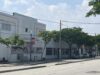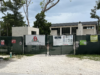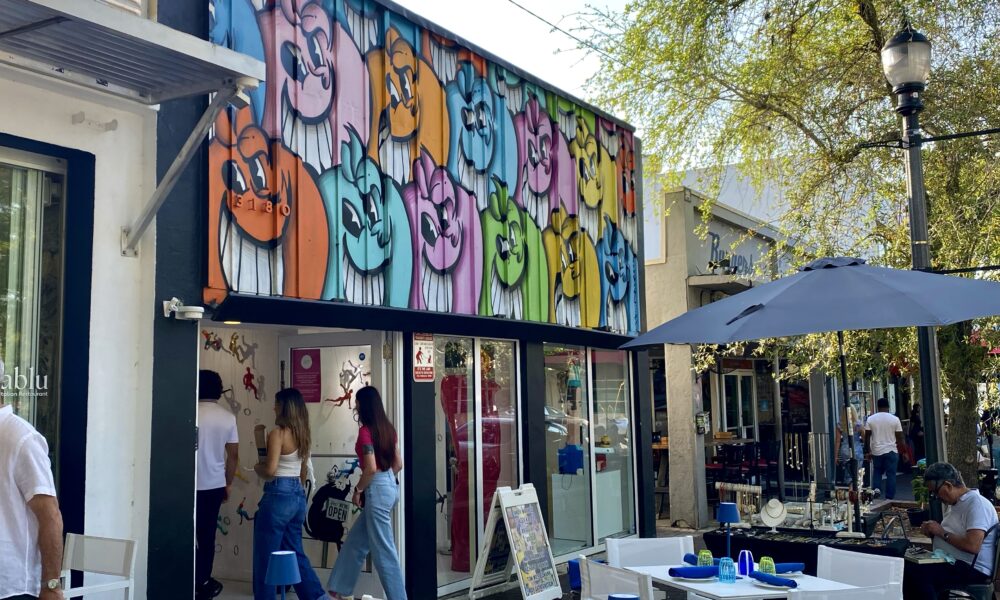


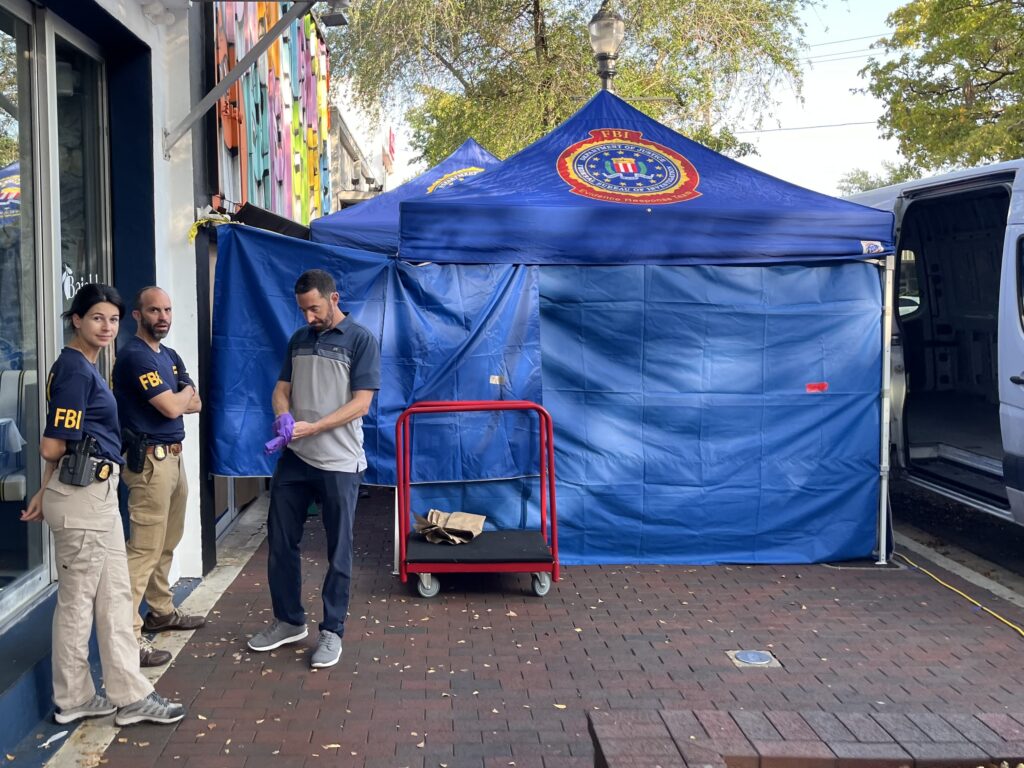
Leslie Roberts pleaded guilty earlier this year to conspiring to sell fake artwork from his Miami Fine Art Gallery on Commodore Plaza. The FBI raided the gallery in April 2025, arresting Roberts the same day.
Eighteen months after the FBI raided his art gallery on Commodore Plaza, Coconut Grove art dealer Leslie Roberts has been sentenced to 46 months in federal prison for conspiring to sell fake artwork to wealthy collectors in Miami.
U.S. District Judge Roy K. Altman sentenced Roberts to federal prison earlier this month after accepting a guilty plea from the art dealer. Altman also ordered Roberts to forfeit $2.58 million in proceeds he pocketed from the sale of forged artworks.
Roberts pled guilty to a single count of conspiring to commit wire fraud in June, admitting that he had worked with others to convince collectors to buy fabricated artwork from Miami Fine Art Gallery at 3180 Commodore Plaza.
As part of his plea deal, Roberts agreed to cooperate with federal investigators working to unravel his conspiracy and other cases of art fraud, a concession that may have won him a lighter sentence.
On the day the FBI raided his gallery – April 9, 2025 – Roberts was arrested on charges of money laundering and conspiracy to commit wire fraud.
Read More: FBI Raids Coconut Grove Art Gallery
A grand jury indictment returned the next day charged him with selling forgeries of pop artist Andy Warhol’s work and then coordinating an elaborate coverup.
The indictment was returned three weeks after the Spotlight reported on a series of fraud claims against Roberts – and how positive accounts of his business had drowned out news coverage of the allegations as well as his guilty plea in a 2014 fraud case.
Read More: Fake Art, Real Scandal? Fraud Claims Mount Against Grove Art Dealer
When clients began to question the authenticity of the artwork they had bought, federal officials say Roberts sought to cover up the fraud by hiring Carlos Rodriguez Melendez to pose as an expert appraiser and authenticate the fake Warhol prints.
In June of last year, Rodriguez pleaded guilty to the conspiracy and agreed to cooperate with prosecutors in the case against Roberts.
Read more: Co-defendant pleads guilty in Coconut Grove Art Fraud Case
Roberts had faced a maximum prison term of 20 years, according to his signed plea agreement, but his lawyer argued for a lighter sentence, saying federal sentencing guidelines suggested a prison sentence of 46 to 57 months.
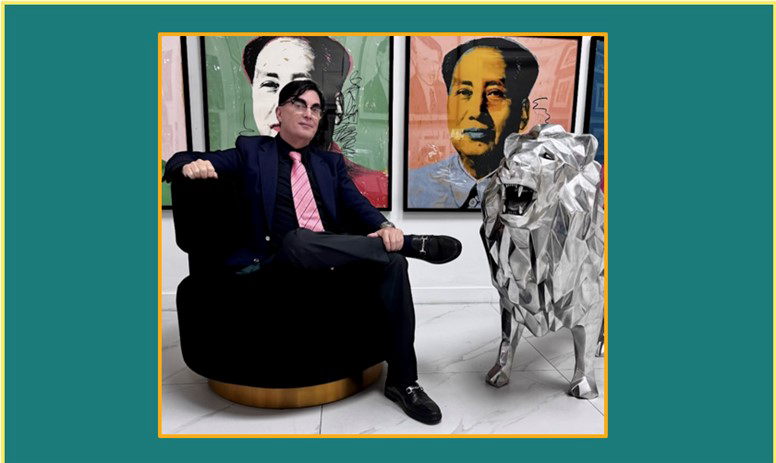
The longtime gallery owner has an extensive criminal history dating back to the 1980s, when he was convicted of investment fraud for siphoning money from his uncle.
In 2014 Roberts was sentenced to 22 months in prison after pleading guilty to selling forgeries of artist Peter Max’s work.
Despite that record, Miami attorney Jason Wandner asked Judge Altman to go easy on his client, saying Roberts was the victim of trauma early in his life.
“Robert’s life has not been easy,” Wandner wrote in a sentencing memo to the court. “He was home when his Mother killed his Father. He was 12 years old at the time. That would scar anybody, and certainly scarred Roberts.”
Wandner also noted that Roberts had helped federal law enforcement officials bust up “what appears to be the biggest Art related fraud network in the United States,” without providing any additional detail.
“His efforts are the primary reason the Government was able to execute search warrants leading to the huge seizure of fake Art,” Wandner added. “While those seizures have not yet led to any indictments or convictions, it is anticipated that arrests and prosecutions are pending.”
Roberts also assisted his own victims in pursuing legal claims against third parties, Wandner said.
“Certainly, this is something the Court may and should consider when fashioning an appropriate sentence,” Wandner concluded.
Certainly, he added, “Roberts is not asking to go unpunished.”
Roberts was remanded into the custody of federal prison officials on Friday Oct. 2, with Judge Altman directing those officials to assign Roberts to a prison facility in Florida that could address his medical needs, without specifying those needs.