

A proposal before Miami commissioners Thursday would establish a new philanthropic fund for District 2, even as the city seeks to recover money from an older fund held by the same nonprofit. Questions remain about donor influence and oversight.
After a decade of soaring property tax revenues, Miami may soon have a new way to pay for public improvements: private donations.
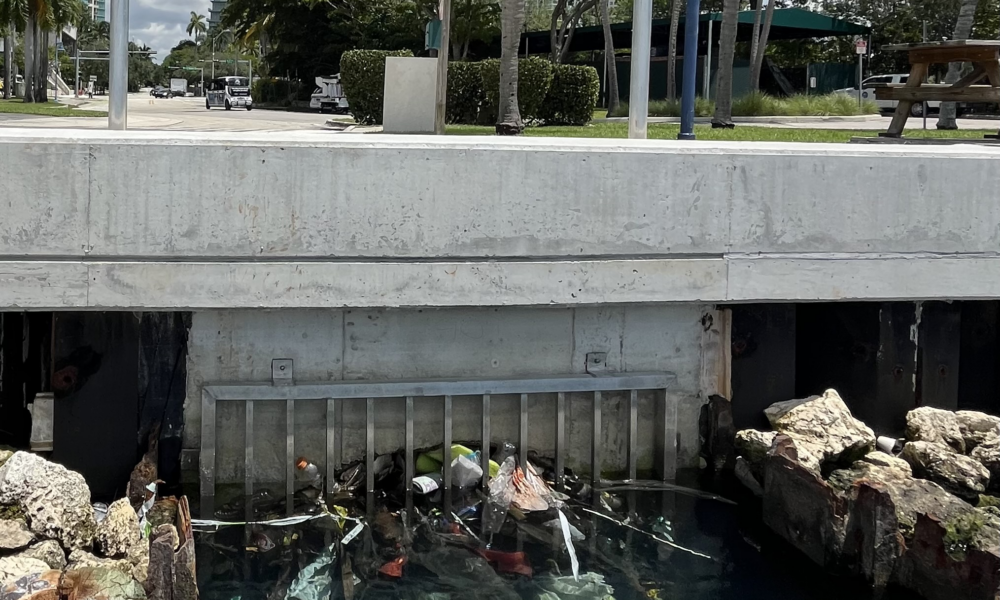
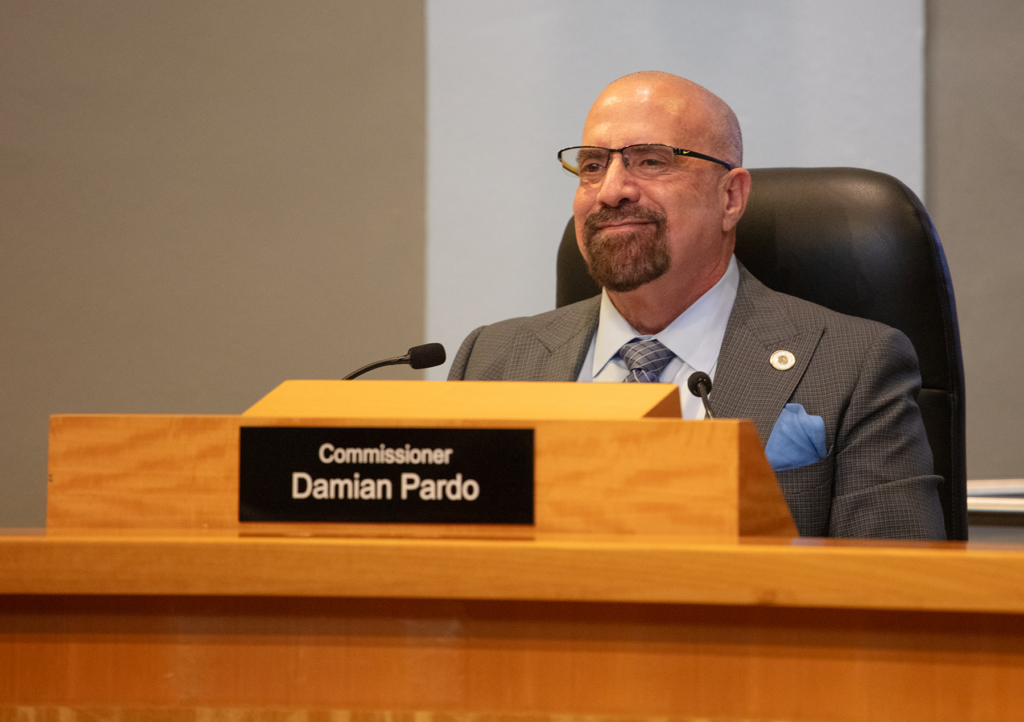
District 2 Commissioner Damian Pardo is proposing a philanthropic fund that would allow residents, businesses and other donors to contribute money for parks, seawalls, flood control, traffic calming and other projects in District 2.
The Miami City Commission will consider the proposal Thursday, just weeks after directing the administration to seek the return of money from a similar charitable fund established more than two decades ago.
Both arrangements involve The Miami Foundation, one of South Florida’s largest philanthropic organizations.
Under Pardo’s proposal, the foundation would collect and hold donations before transferring the money to a special city account, where it would be budgeted and appropriated for District 2 projects and programs.
The resolution would authorize City Manager James Reyes to establish the fund and negotiate and execute the agreements needed to operate it, without requiring further City Commission approval.
But it leaves key details unresolved, including whether donors could earmark contributions for particular projects, how those projects would be selected and what disclosure requirements would apply.
Pardo says the goal is to make it easier for residents and philanthropists to support improvements they care about.
“The City of Miami has many generous residents who would gladly invest in our city and their neighborhoods,” he said in a statement provided to the Spotlight. “We haven’t done enough to connect people with projects they care about that need funding.”
He said the city would consider donors’ preferences and report back on completed projects.
“This initiative will make giving to our city easier and more accountable,” he said.
Miami has enjoyed an extraordinary windfall from rising property values over the past decade, with its general fund nearly doubling during that period.
Yet the city still faces an estimated $1.8 billion in unfunded capital needs, even as it continues spending proceeds from its $400 million Miami Forever Bond program, approved in 2017, and asks voters in November to authorize another $450 million in borrowing for public safety facilities.
Read more: Miami’s Billion-Dollar Boom, Part 1: Where Did All the Money Go?
The proposed fund would offer another source of money for neighborhood improvements, many of them ordinarily financed through city budgets and capital programs.
It could also introduce a new consideration into decisions about public spending: the preferences of private donors.
Allowing donors to express preferences raises questions about whether privately financed projects might take priority over other improvements identified by the city as necessary.
Pardo’s resolution expressly allows contributions from businesses, corporations and other private entities. It does not specify donation limits, requirements for identifying donors or restrictions on contributions from individuals or businesses with matters pending before City Hall.
Nor does it establish a process for deciding which projects receive money or specify what fees The Miami Foundation might charge.
A spokesperson for Pardo said the legislation represents the first step in creating the fund. Details about eligible projects, how the process would work and the agreements needed to implement it would be developed later, she said.
The proposal comes just weeks after Miami commissioners voted to seek the return of money from an earlier fund established with The Miami Foundation. In 2004, the city created the Heart of Our Parks Endowment Fund with the foundation’s predecessor, the Dade Community Foundation, to help finance improvements to city parks.
But in 2025, commissioners called for reassessing the arrangement, saying it was not serving its purpose or the public to its full potential.
Last month, the commission went further, directing the city manager to use his best efforts to recover money held in the fund and place it in a city account for park improvements, with the proceeds divided equally among Miami’s five commission districts.
The resolution acknowledged that legal or contractual restrictions might prevent the city from recovering all the money and directed the administration to seek changes to the agreement if necessary.
Whether any money has been returned is unclear.
The Miami Foundation, which organizes Give Miami Day, has been a prominent part of the region’s philanthropic community for decades. According to Pardo’s resolution, it has invested more than $905 million locally since 1967.
The foundation did not respond to the Spotlight’s request for comment before publication.
Pardo sees the proposed fund as a way to turn charitable intentions into visible improvements.
“I want people to know we can make their gift easier to process, consider their desires and report back on the project after completion,” he said.
Spotlight editor David Villano contributed to this report.










Most civilized nations live within their means. They successfully provide the services that their constituents deserve and expect, such as Transportation, Police / Fire, Schools, Libraries, Parks, Trees, Water, Sewer, Environment and such. They don’t depend on the “Kindness of Strangers”, Foundations or Philanthropists. It’s shameful that we are not able or willing to do the same!
The germ of this idea seems laudable but the devil is in the details. City priorities should remain under the democratic process of administrative government. Billionaires must not determine these, nor should their priorities take precedence over the priorities of the rest of us.
If they paid their fair share of taxes, we would already have funding for the “special projects” and basic services like healthcare that “philanthropists” may choose to support, or not.
There already is a simple way for anyone to contribute to the work of city government. Pay your fair share of taxes, more if you wish.
I give Commissioner Pardo credit for thinking “outside the box” when trying to get a better connection between what voters say they want and what actually happens. However, both previous commenters make valid points: Providing critical services within budget, and the devil being in the details.
The Spotlight’s Oct. 12 article about the hijacking of the Finance and Audit Advisory Committee’s report by City Manager Reyes before the Commission’s vote on the annual budget revealed how hard it will be to evaluate — much less reform — how the City spends our taxpayer dollars.
Allowing private donors to put their thumbs on the scale of what gets built and what doesn’t could help some neighborhoods while diminishing the quality of life in others. And I’m not just talking about my own District 2.
For me, a long-time observer of City Hall, I believe our best bet is to vote to increase from 5 commission districts to 9 when that ballot initiative is presented next year. With nine commissioners, each commissioner will be more responsive to their own district’s needs and wants, while at the same time having to cooperate with at least four others on city-wide initiatives. It’s called “checks and balances.”
If private interests then wish to spur developments in one commissioner’s district but not city-wide, the other commissioners can join together to adjust the city budget so we don’t continue to have neighborhoods that are left far behind in a prosperous, transparent, budget-minded city.
I highly recommend AGAINST anyone donating anything to the City of Miami. They cannot be trusted and they will likely not respect your donation.
Two big examples: the Japanese Garden and the Olympia Theater.
One smaller example: all the time and money I’ve donated to the City’s Morningside Park.
With the City of Miami, no good deed goes unpunished.
Please watch this video to see how the City, and specifically Commissioner Damian Pardo, the Commissioner sponsoring this donation scheme, disrespects donations and donors:
https://www.youtube.com/live/O0BOGQ2Hv9o?si=_3PuItvj9K6Psxaq&t=8832
If, despite my warnings you still want to donate to the City, I recommend you have a lawyer write up a contract with specific terms requiring the donation to be used as intended, with a reverter clause and language granting you legal standing and a damages waiver to enforce it.