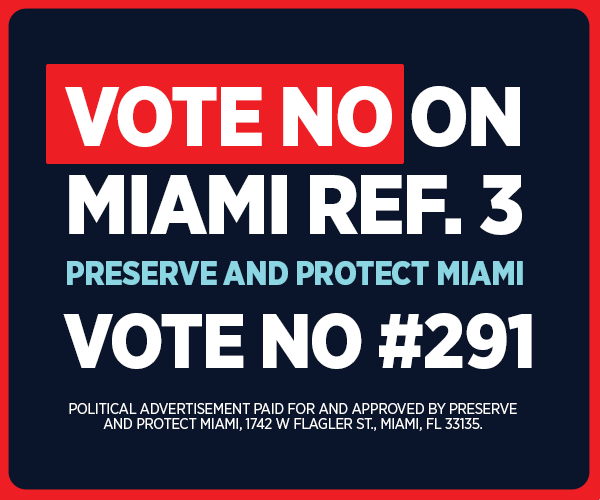



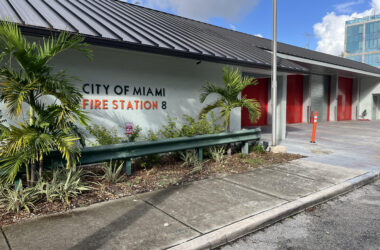
Miami’s municipal employee unions — big backers of Eileen Higgins in last fall’s mayoral election and proponents of next week’s $450 million public safety bond referendum — enjoy an unusual perk: Eight employees are excused from their city jobs to represent their unions full time, while collectively drawing more than $1 million a year in taxpayer-funded salaries.
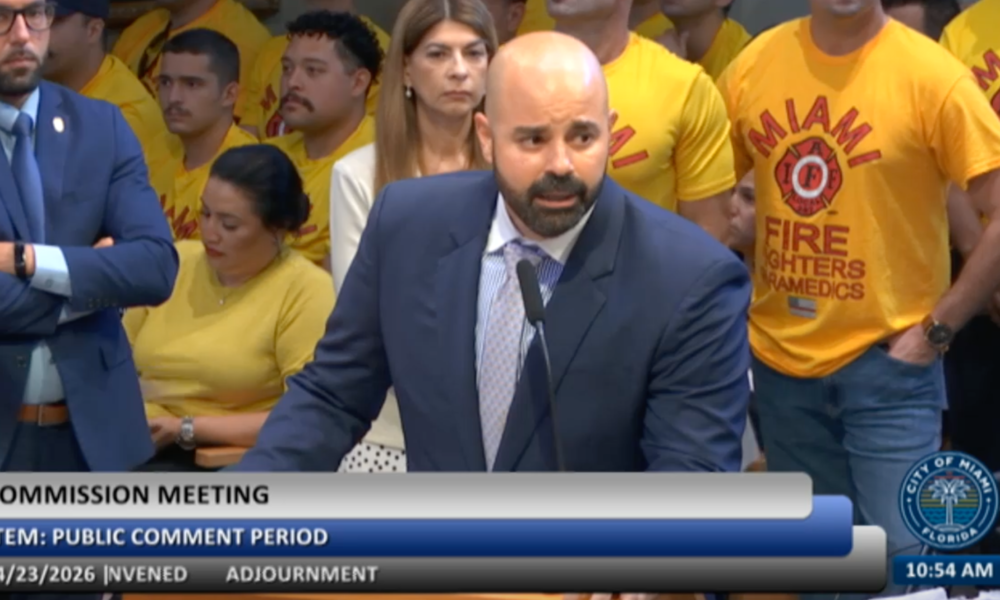
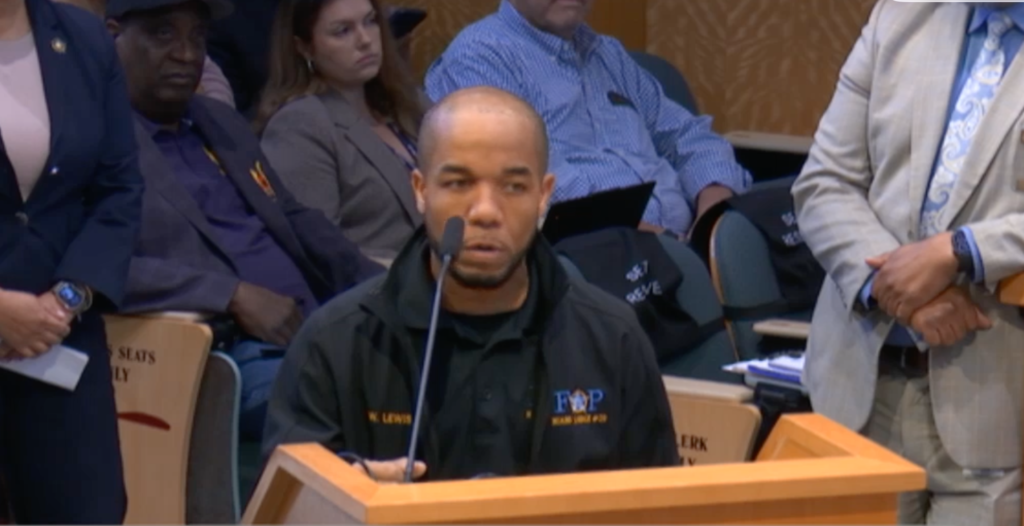
When Miami police officer Felix Del Rosario stood before city commissioners last April urging them to place on the November ballot a $450 million public safety bond to fix aging police and fire stations, it was hard to know who he was working for: the City of Miami, which signs his paycheck, or the Fraternal Order of Police, the union he heads.
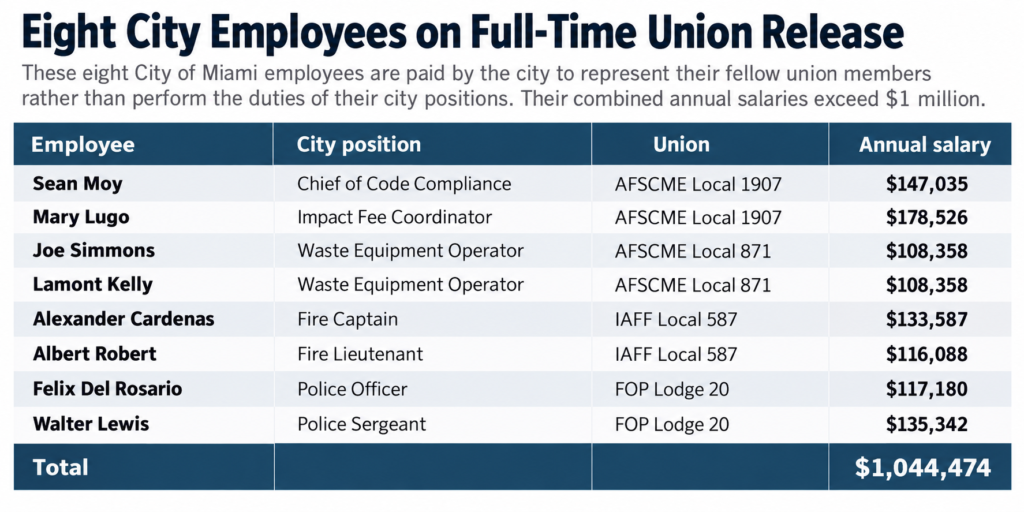
Del Rosario, who earns $117,180 annually as a police officer, is one of eight full-time city employees with combined annual salaries exceeding $1 million who are paid to represent their fellow union members rather than perform the duties of their city positions.
This little-known arrangement — approved year after year in the city’s collective bargaining agreements with its four municipal employee unions — is among the provisions that could be renegotiated as the city works to replace contracts that expired September 30. Until then, the city and unions continue to operate under the expired agreements.
A city spokesperson says contract discussions are ongoing, with no clear timetable for presenting new agreements to commissioners for approval.
But sources inside City Hall have told the Spotlight that negotiations over the financial terms of new contracts were put on hold until after next week’s $450 million public safety bond referendum, in part to avoid the appearance of making concessions to unions whose support the administration has sought for the bond.
The city’s police and firefighter unions have publicly supported efforts to secure funding for new and renovated public safety facilities.
Their relationship with Mayor Eileen Higgins goes back at least to last fall, when Del Rosario, speaking for the police union, and Miami Fire Captain Alexander Cardenas, representing the firefighters’ union, publicly endorsed her successful mayoral campaign.
“Miami deserves a mayor who will stand with the officers who stand on the front lines for our families and neighborhoods,” Del Rosario said at the time. “Eileen Higgins has earned our trust, and our full support.”
Like Del Rosario, Cardenas is on full-time union release, collecting his $133,587 annual city salary while conducting union business rather than performing his regular duties as a fire captain.
And they weren’t the only union leaders backing Higgins.
Sean Moy, president of AFSCME Local 1907, also publicly endorsed her campaign. Like Del Rosario and Cardenas, Moy is on full-time union release from his city job — in his case, as chief of code compliance, a position that pays $147,035 annually.
The arrangement predates both the unions’ endorsements of Higgins and their support for the public safety bond proposal.
City Communications Director Helena Poleo has confirmed the identities of the eight employees on full-time union release but, despite repeated questions from the Spotlight, has not explained whether the unions reimburse the city for any portion of their salaries and benefits, how their time is accounted for, or who performs the municipal duties they are excused from carrying out.
Nor has Poleo provided an accounting of the total cost of these arrangements, including any additional staffing or overtime required to cover the employees’ regular responsibilities.
Full-time union release allows designated employees to spend their regular working hours negotiating contracts and, presumably, conducting other union business. But under the existing collective bargaining agreements, city administrators do not keep records of precisely what these employees do or how much time they actually devote to union activities while continuing to collect taxpayer-funded salaries.
The salaries of the eight city employees currently on full-time union release are annualized figures from the city’s September payroll records. They exclude the city’s contributions toward pensions, health insurance and other employee benefits.
They also do not necessarily represent the city’s net cost. Any reimbursements from the unions would reduce that expense, while additional staffing or overtime needed to cover the employees’ regular duties could increase it. Whether either occurs remains unclear, despite repeated questions from the Spotlight.
The city’s ongoing negotiations over its collective bargaining agreements — and next week’s public safety bond referendum — come amid heightened scrutiny of Miami’s personnel spending.
Over the past five years, Miami’s spending on employee salaries has increased 41%, while the cost of benefits has jumped 62%, even as the city’s workforce grew just 5%. Much of that growth has been driven by rising personnel costs in the police and fire-rescue departments. Salaries and benefits now consume 77% of the city’s General Fund budget.
Since March alone, raises for city employees have added another $7.6 million to annualized salaries, with further increases possible as the city negotiates new union contracts.
Read more: Inside City Hall: The Raises Keep Coming
Miami’s Finance and Audit Advisory Committee, a citizen panel charged with reviewing city finances, raised similar concerns in September, urging commissioners to confront the potential cost of new union contracts before approving the city’s record $3.7 billion budget, which took effect Oct. 1.
In its report, the committee noted that the administration had said it would not discuss the financial terms of new labor agreements until after the November election. Yet the proposed budget contained no allowance for raises that might result from those negotiations.
The committee estimated that every 1% increase in employee compensation would add approximately $4.7 million to the city’s annual expenses. Yet the administration’s newly approved budget makes no provision for the additional costs likely to result from new union contracts, leaving commissioners to confront those expenses after the agreements are signed.

The $450 million public safety bond could add another layer of personnel costs. The proposal includes four new fire stations that could require additional firefighters and paramedics, whose salaries, benefits and pensions would have to be paid from the city’s operating budget, not bond proceeds. The city has not publicly provided an estimate of those potential costs.
The committee also called for greater financial scrutiny of the bond, recommending a detailed accounting of the proposed projects and a schedule showing how new borrowing would affect the city’s existing debt obligations.
But despite the committee’s explicit request that commissioners receive its 41 recommendations — including warnings about the potential cost of new contracts with the city’s four employee unions — before the final budget vote, they never saw the report. City staff, acting on instructions from City Manager James Reyes, withheld it until after the vote.
Read more: City Staff Withheld Budget Report Ahead of Key Vote