
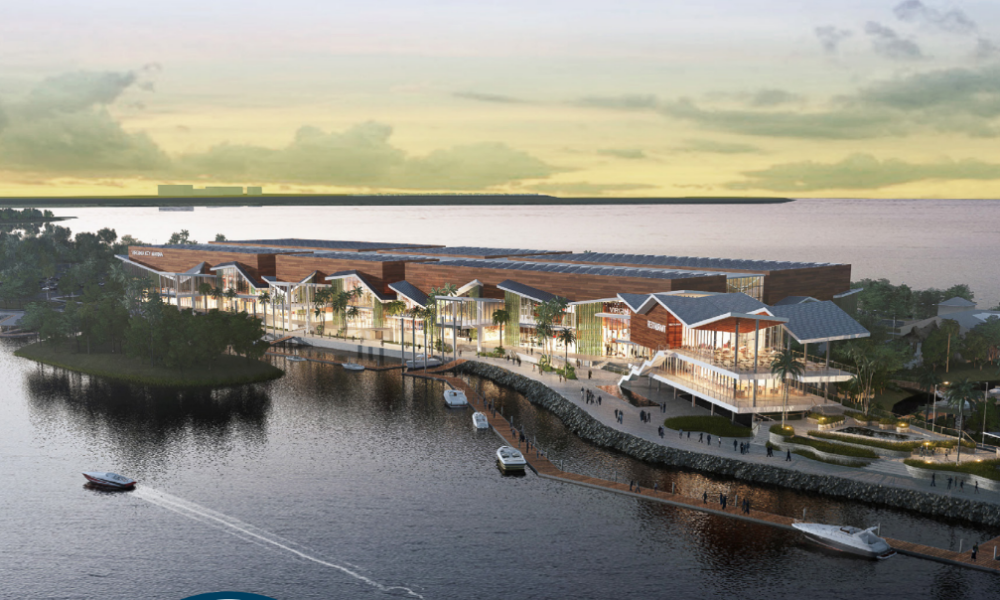




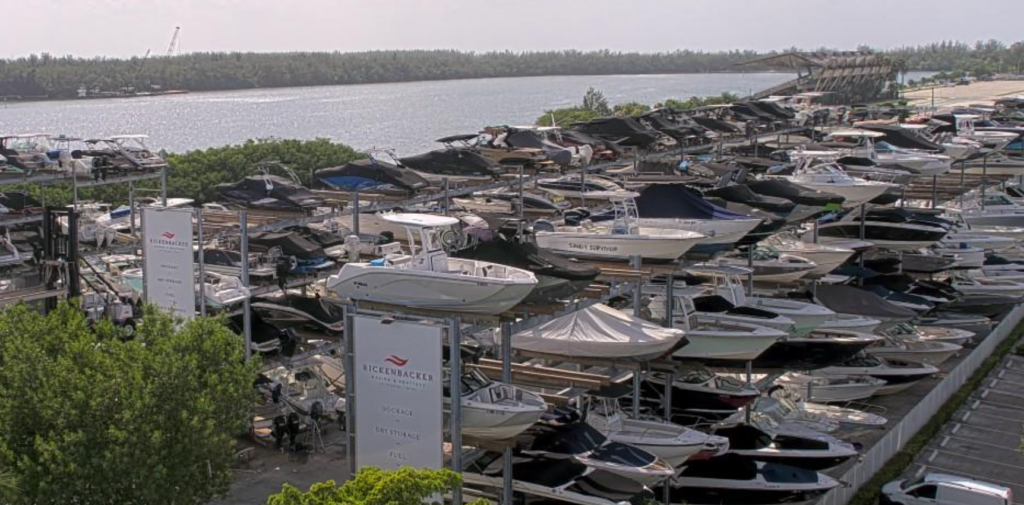
The operators of Rickenbacker Marina contend the redevelopment deal headed to Miami voters this fall differs materially from the proposal selected through a competitive bidding process nearly a decade ago and includes ballot language that misstates the proposed leaseholder’s financial obligations.
The legal battle over the future of one of Miami’s most valuable waterfront properties has returned to court.
Less than three weeks after the Miami City Commission voted to place before voters a proposed redevelopment of city-owned marina facilities on Virginia Key, the longtime leaseholders of the property filed a lawsuit seeking to stop the referendum, arguing the lease headed to the November ballot differs materially from the proposal selected through the city’s competitive bidding process nearly a decade ago.
The 39-page complaint, filed July 1 in Miami-Dade Circuit Court by Biscayne Marine Partners and its affiliate, Rickenbacker Marina Inc., the property’s existing tenant, asks a judge to remove the referendum from the ballot, invalidate the proposed lease with Virginia Key LLC and prohibit the City of Miami from executing the agreement.
“This case concerns the integrity of both the public bidding process and the electoral process,” the complaint states. It argues the city cannot legally negotiate “an entirely different and substantially more favorable deal” after a competitive bidding process has concluded and then ask voters to approve it through what the plaintiffs describe as misleading ballot language.
Under Florida procurement law, governments generally may not materially alter the terms of a contract after selecting a winning bidder because competing firms never had the opportunity to bid on the revised agreement.
The lawsuit centers on a lease that accompanied the city’s 2017 request for proposals. Under the procurement documents, bidders were instructed to propose revisions to that draft lease during the competition, with the understanding that the final agreement would be negotiated from that document and remain consistent with the solicitation.
According to the complaint, the lease approved by commissioners and now headed to voters materially departs from both the draft lease used during the procurement process and Virginia Key LLC’s winning proposal.
It also questions whether the city is receiving fair market value for the property and argues the referendum language is misleading because it promises approximately $80 million in privately funded investment and redevelopment “in an environmentally sensitive manner” even though, the plaintiffs contend, neither commitment appears in the negotiated lease.
The lawsuit also alleges the ballot understates the scope and duration of the lease and omits other material information about the transaction.
The lawsuit marks the latest chapter in a redevelopment dispute that has stretched nearly a decade.
In 2017, Virginia Key LLC emerged as the top-ranked bidder to redevelop approximately 27 acres of city-owned waterfront property on Virginia Key, including the Rickenbacker and Marine Stadium marinas. But in 2020, after the City Commission rejected all bids — the second time it had done so for the project — commissioners instead advanced a 2021 referendum on a proposed long-term lease with the incumbent marina operator, Biscayne Marine Partners. Virginia Key LLC sued to block the referendum, which voters ultimately rejected.
In 2023, a Miami-Dade Circuit judge ruled the commission had acted “arbitrarily and capriciously” by rejecting the bids and later favoring the second-ranked bidder without a new competitive process. He ordered the city to submit Virginia Key LLC’s proposal to voters, as is required by the City Charter for all long-term waterfront leases of city-owned property. An appeals court later upheld that ruling, leading the City Commission last month to place the Virginia Key LLC lease before voters in a November referendum.
Although commissioners voted unanimously, several made clear they were doing so reluctantly — not because they disputed the court’s ruling, but because they believed the lease’s financial terms, negotiated years earlier, no longer reflected current market conditions.
Commissioner Miguel Angel Gabela called the proposal “a bad deal for the city,” arguing that officials who negotiated the lease nearly a decade ago could not have anticipated today’s waterfront property values. He said he would have voted against the referendum had it not been for a warning from City Attorney George Wysong that the city and the commissioners themselves could face legal consequences, including contempt proceedings or personal liability, for refusing to place it before voters.
Wysong’s warnings — the lawsuit contends — may have unfairly influenced the commission’s decision to approve the referendum proposal.
Wysong also told commissioners during the June 11 meeting that the court’s ruling left the city without discretion to renegotiate the lease before submitting it to voters.
The complaint alleges the city had already done exactly that.
According to the lawsuit, the final lease weakens or eliminates numerous commitments contained in Virginia Key LLC’s original proposal and the procurement process, including provisions governing ownership, assignment rights, financial obligations, environmental commitments and project improvements. It further argues the agreement gives the developer significantly greater flexibility than competing bidders were led to expect when proposals were submitted.
The lawsuit also challenges the city’s appraisal process, alleging appraisers were not provided the complete negotiated lease, relied on hypothetical assumptions and completed their work too late for meaningful public review before the commission vote. As a result, the city allegedly failed to demonstrate that the lease satisfies the City Charter’s requirement that waterfront property be leased at fair market value.
The lawsuit seeks declaratory and injunctive relief on five counts, alleging the referendum is misleading, the lease materially deviates from the original solicitation, the city failed to obtain valid appraisals establishing fair market value, and the commission’s actions were arbitrary and capricious.
Rickenbacker Marina President Aabad Melwani foreshadowed many of those concerns during an interview with the Spotlight last month.
“We’re in a different world today,” Melwani said. “Values have skyrocketed. The costs of this project have at least doubled, and the proposed rents are far below market.”


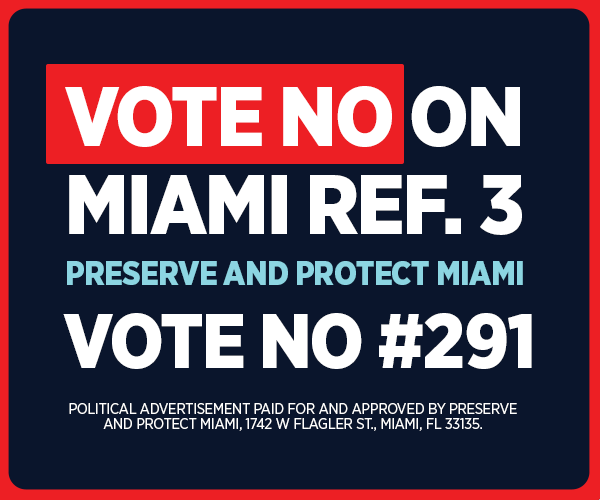















The way the city has gone about this has been so irregular and dodgy. And now they are trying to “put it to the voters” using deception again. We need to get the word out to vote no in the initiative if this lawsuit is unsuccessful.
Miami votes need to vote NO in this referendum. For more details on the misleading ballot information and this bad deal for Miami voters see http://www.saveourmarinas.org