
Miami District 2 Commissioner Damian Pardo says there’s a smarter way to repair, rebuild and replace Miami’s fire stations and police headquarters.
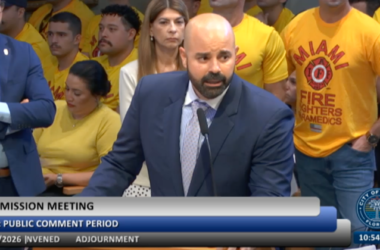
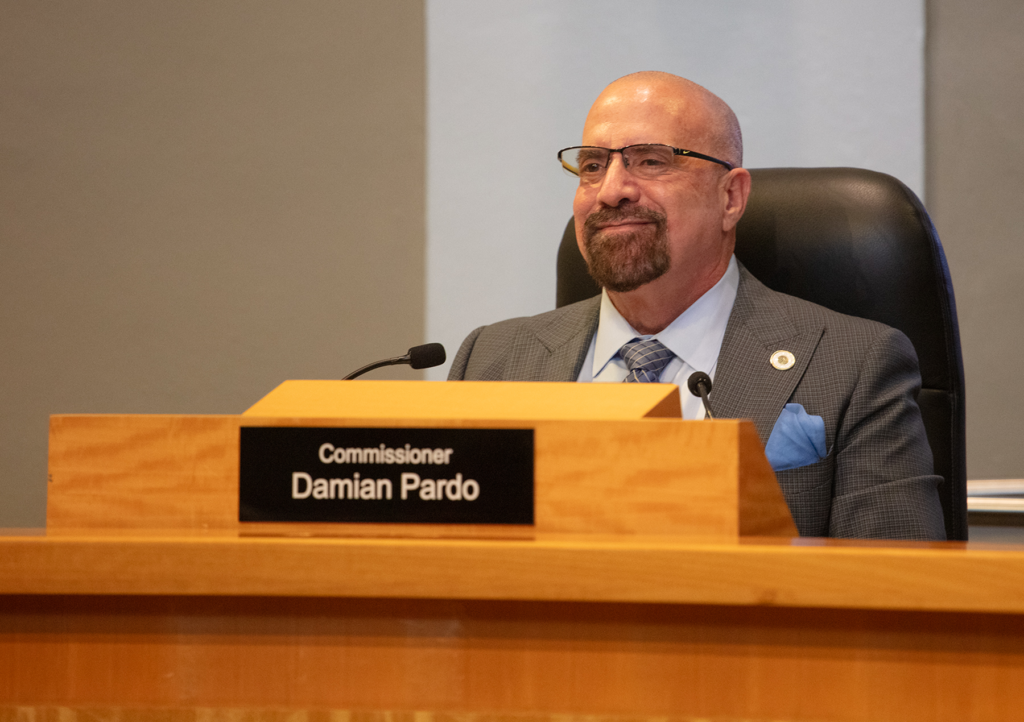
Damian Pardo is the Miami city commissioner for District 2, which includes Coconut Grove. He wrote this Community Voices piece for the Spotlight.
Editor’s Note: For an opposing point of view, see the Spotlight Q&A with Miami Mayor Eileen Higgins posted earlier this week.
Mayor Eileen Higgins and I agree: public safety must be a top priority for the City of Miami. Our police officers and firefighters deserve modern, safe facilities, and our residents deserve reliable emergency services.
Where we disagree is on how much to spend, how to pay for it and whether the city has adequately considered the alternatives.
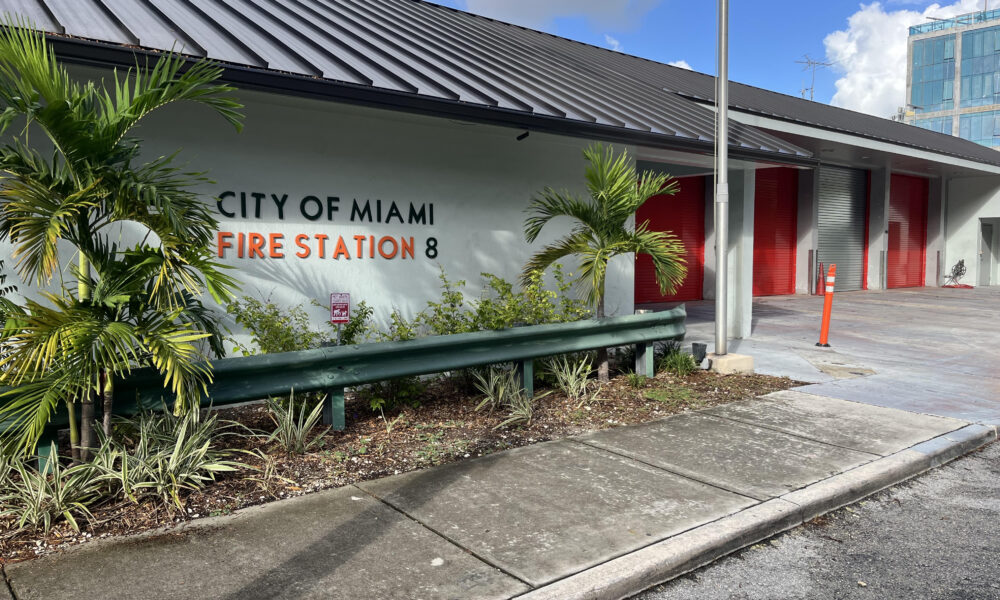
When we learned about urgent problems at our fire stations, I introduced legislation directing the administration to use $10 million from our excess reserves for immediate repairs. We had the resources to act. We didn’t need a referendum.
We can accomplish our goals without a tax increase during an affordability crisis.
That’s what responsible government should do: identify a problem, evaluate the options and get to work.
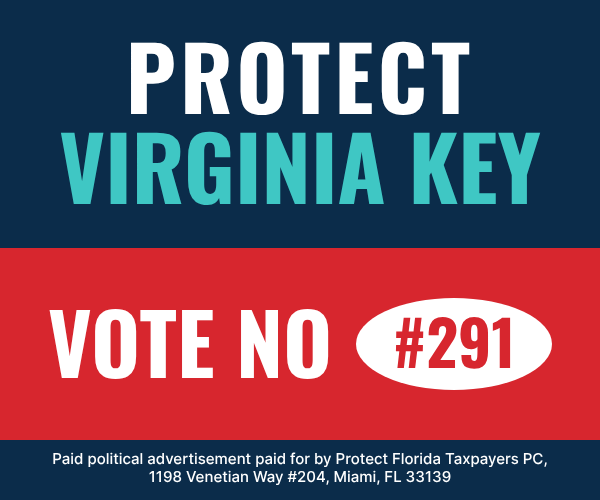
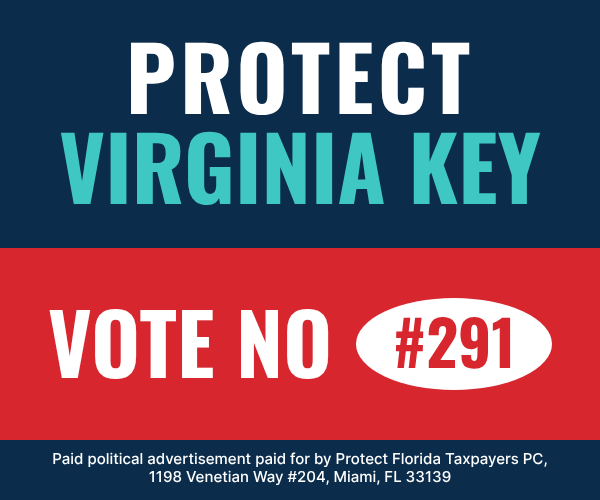
Instead, voters are being asked to approve a $450 million bond without the broader public conversation and scrutiny this level of spending deserves. That’s not an argument against borrowing. It’s an argument for doing the math and exhausting all options before asking taxpayers to sign the check.
Had the administration proposed public-private partnerships focused on fire stations, I would have welcomed that discussion. Had we been given options to finance a police headquarters, I would have welcomed that too.
I might have even welcomed a bond of this magnitude if it had emerged from a comprehensive look at Miami’s infrastructure priorities rather than a presold package presented as an emergency.
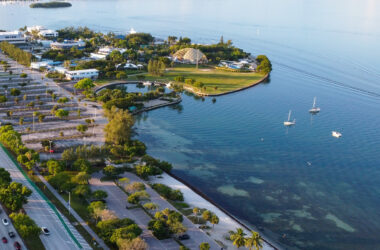
Consider what is happening this week. King tides are turning Miami streets into ponds. Residents are navigating flooded intersections and worrying about their homes. These problems are becoming more frequent, not less.
Isn’t that a public safety issue too?
Our stormwater infrastructure needs substantial investment just as sidewalks, streets and parks do. We have a responsibility to balance those needs, rather than treating each one as a separate crisis requiring another request for taxpayer money.
The mayor has framed this referendum as a matter of saving lives. Of course, public safety investments can save lives. But that does not mean we should accept a half-baked proposal, or that questioning its cost is somehow a threat to public safety.
I was particularly disappointed to hear the suggestion that those of us questioning the referendum somehow don’t care whether residents live or die, including residents of the South Grove.
That kind of rhetoric does a disservice to everyone involved.
I would never question the mayor’s concern for the lives and safety of our residents. I know she cares. So do Commissioner Christine King and I. We can disagree on increasing taxes, priorities and process without using the people we represent as political shields.
And we should be careful not to undermine public confidence in the very first responders we are trying to support. Miami’s police and fire departments do extraordinary work every day.
We can acknowledge shortcomings in facilities without suggesting that entire neighborhoods are unsafe or that our public safety system is on the verge of collapse.
Miami residents are informed and capable of making their own decisions. They deserve the facts, the costs and the tradeoffs, not a false choice between approving this plan and saving someone’s life.
Whatever voters decide on November 3, the city will move forward. And I will continue demanding the scrutiny residents deserve.
That’s not obstruction. That’s accountability.