


One of the Grove’s most lurid crimes happened 40 years ago this week on South Bayshore Drive when builder Stanley Cohen was shot to death in his bed. The home has stood as a monument to murder ever since.
For most of its 110-year existence, the house atop Silver Bluff owed its renown to its lofty prominence, perched on an ancient outcropping of limestone high above Coconut Grove’s South Bayshore Drive, looking out toward Biscayne Bay.
Designed by German-born architect George Pfeiffer, the two-story structure was more prized for its location and intricate coral rock and hard wood construction than its opulence.
Then, on March 7, 1986 – forty years ago this week – the four-bedroom house took on a new identity after its well-known occupant, Stanley Cohen, a wealthy builder, was found dead, naked in his bed, with four bullet holes in the back of his head.
Overnight, it seemed, many locals began referring to the home at 1665 South Bayshore as “The Murder House.”
“Every time I drive by there, I think to myself, ‘Poor Stanley,’” said lifelong Grove resident Tony Scornavacca. “He was only 52, a family man, self-made, well-loved in the community. But those were bizarre times. Cocaine days.”
In the 1980s, Coconut Grove, and especially the Mutiny Hotel, were at the center of the drug-fueled swirl of luxurious excess that characterized the era.
And Cohen, along with his glamorous younger wife Joyce, jet-setted their way through that world with ease and panache, moving between the Grove, where they owned a share of the restaurant Buccione, to their 650-acre ranch in Steamboat Springs, Colorado.
The murder caused a sensation, topping the news not just in Miami but around the nation. The crime was fodder for national television broadcasts, true-crime documentaries and long accounts in mainstream newspapers. The tabloids relished the lurid aspects of the slaying.
The murder was the subject of a book, “In the Fast Lane: A True Story of Murder in Miami” by local author Carol Soret Cope, and the house soon became a stop on crime tours.
“It’s a very gripping story, with a dramatic-looking house, perched on a limestone ridge,” said Miami historian Paul George, who leads such crime tours. “It’s an incredible story. People want to hear about that stuff.”
Joyce, who was in the house when her husband was shot, was an immediate suspect.
But she was not charged with the killing until 2 ½ years later, after a member of a home-invasion gang told police that he and two other men had been hired by Joyce to kill Stanley.
The motive: “This case is foremost about money,” said prosecutor John Kastrenakes. “It’s also about hatred, and about drug abuse, extramarital affairs, a failed marriage — and ultimately murder.”
The murder weapon was Cohen’s own gun, a .38-caliber Smith & Wesson, found in bushes near the house.
“She’s a killer,” the prosecutor told jurors at the end of a 3 ½-week trial. “Do not feel sorry for her because she’s a woman. She’s a cold, calculating murderess who put on a good show for everyone.”
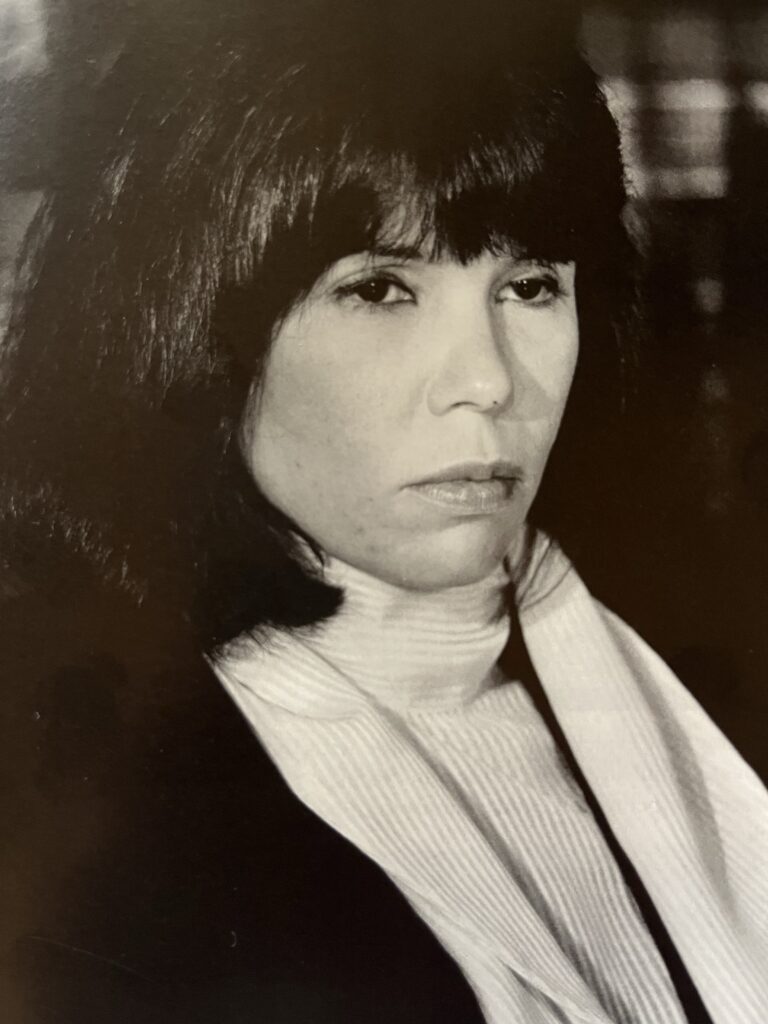
The jury found her guilty. In November 1989, Joyce Cohen, then 39 years old, was sentenced to life in prison.
In 2013, a year before she would have been eligible to get out of prison, the Florida Parole Commission extended her release date to April 2048.
Stanley Cohen’s son, Gary Cohen, and his daughter Gerri Helfman, a former local television anchor, both spoke at the parole hearing, asking that their former stepmother be locked up for the rest of her life.
Joyce Cohen, now 75 years old, remains in the Homestead Correctional Institution in Florida City. She did not respond to an interview request from the Spotlight.
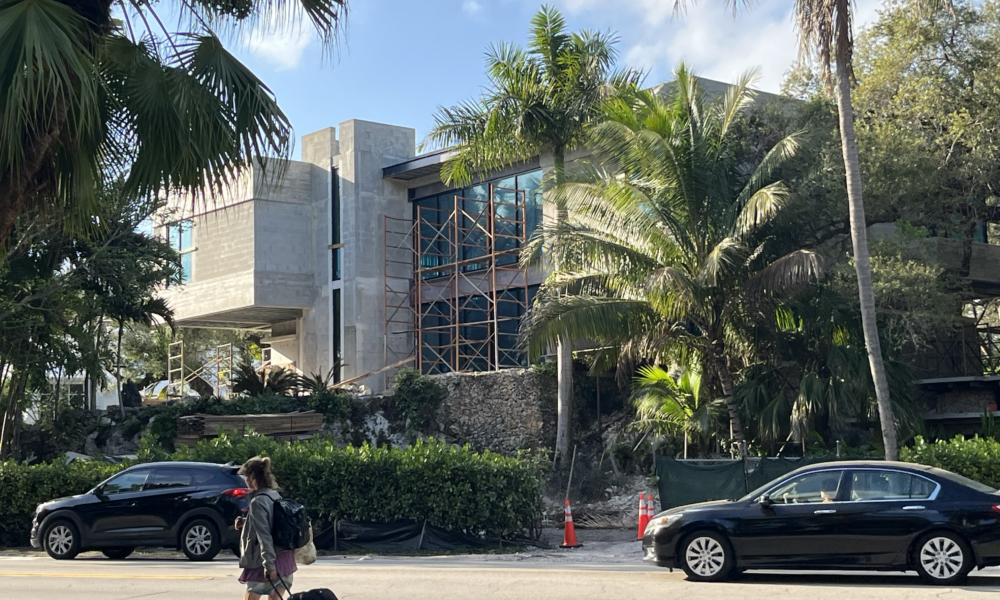
The house where it happened, meanwhile, is undergoing a major renovation. Gone is much of the Dade County pine and sloped tile roof of the original structure, replaced on the Southwest 17th Avenue side by what looks like a modernist castle on a hill.
Yet Grove architect Thorn Grafton, an expert in historic preservation, thinks the remake “shows promise of being completed with good design compatibility with the neighborhood.
“The new house is being built on the original base walls, with their original oolitic limerock finish, so at least some historic elements are being retained,” said Grafton. “Finish materials and colors yet to come will hopefully contribute to the design’s success, keeping it out of the realm of too many ‘sugar-cube’ white boxes that have plagued the Grove in recent years.”

a target release date of April 2048. (Photo courtesy of the Florida Department of Corrections)
According to Miami-Dade County property records, the current owner is Anton Fajardo, who bought the house for $1.4 million in 2020. The property is now valued at $4.2 million, according to the association Miami Realtors.
Fajardo could not be reached for comment.
Stanley Cohen bought the house in 1975, the year after Joyce became his fourth wife, for $102,500, according to county records. After extensive repairs were completed, Joyce threw herself into decorating their new four-bedroom home, with soft-colored rugs and furniture, antique clocks and smoked mirrors in the master bedroom.
“The total effect was quaint, charming, rather country-French – relaxed and comfortable yet elegant,” Cope writes in “In the Fast Lane.”
In 1992, six years after the murder, attorney Warren Salomon bought the property for $585,000. A longtime Grove resident, Salomon said, “I knew [Cohen] was killed there. But I always liked the house.” He lived there for 30 years, using the upstairs as his living quarters and the first floor for his office.
The notorious history of the house did not trouble him, Salomon said.
However, he would be annoyed by strangers who would occasionally knock on the door and ask if the place was haunted. “I’d look at them and say, ‘You must be nuts.’ One time I told someone, ‘Yes, I’m haunted by the ghost of Amelia Earhart.’
“No, I never had any creepy thoughts about the place. And I knew Stanley. I used to see him at the Taurus. Everybody there knew Stanley.”
After retiring, Salomon sold the house in 2018 for $1.6 million.
“I didn’t need a place that big,” he said.
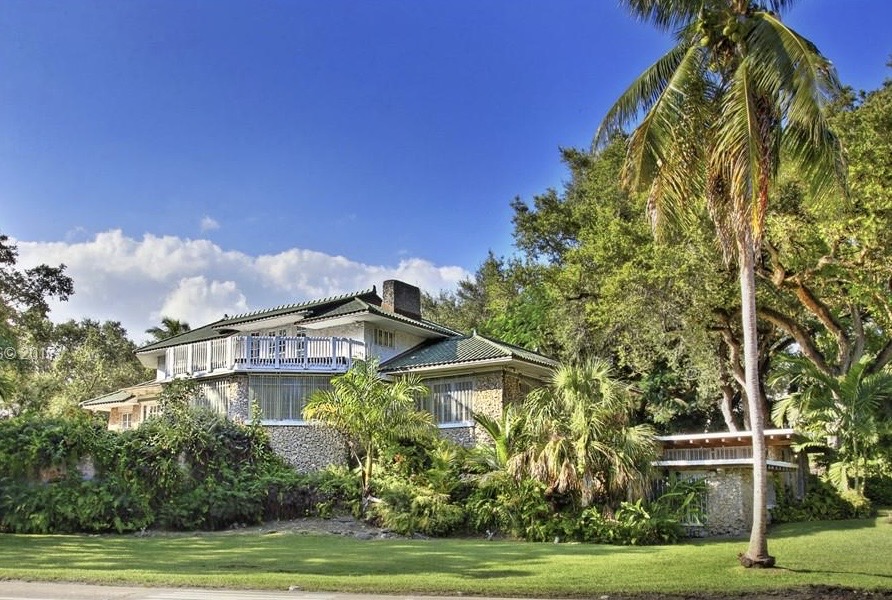
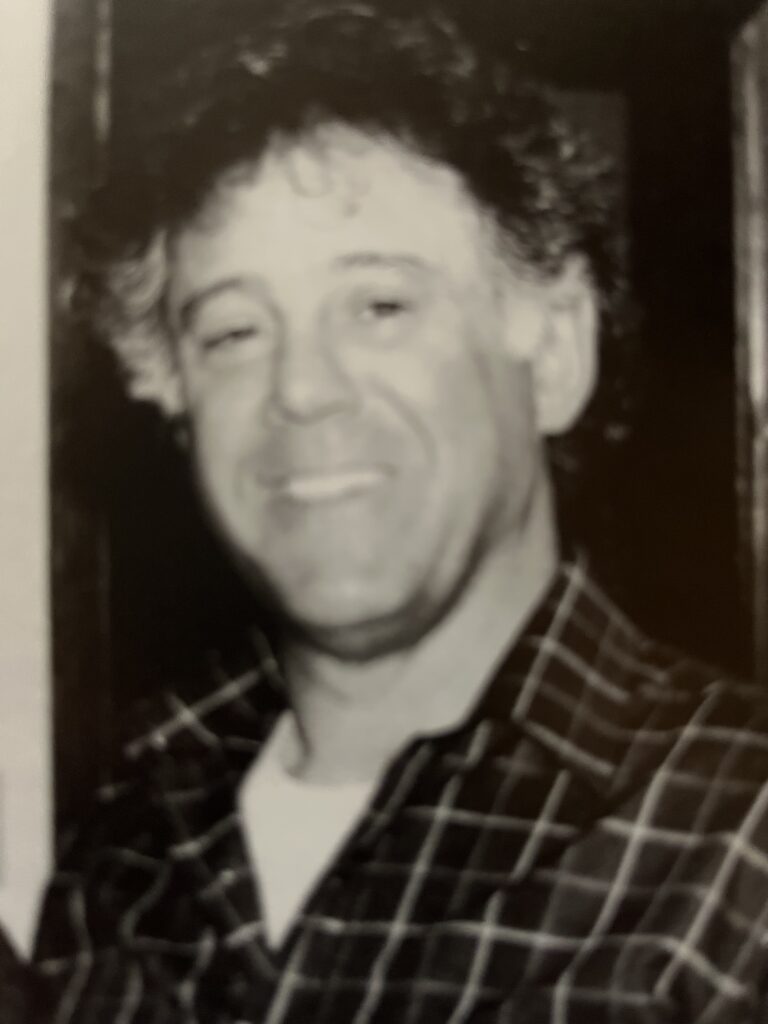
Cohen was murdered in 1986 is shown in this undated photo. For years, locals have
referred to the property as “The Murder House.” (Photo courtesy of Lenny Kagan)
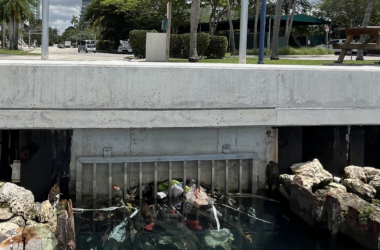
When Salomon listed the house for sale, “it was in terrible shape,” said real estate agent Sylvia Cherry, with rotting wood, mold and squishy floors. The house also has no swimming pool, and the busy intersection on which it sits is also a liability, she said. The house does have a separate guest house, and across South Bayshore access to Biscayne Bay and a dock that can accommodate a 45-foot boat.
“It took a lot of showings to sell it,” said Cherry.
Although sellers are not obliged by Florida law to disclose horrific events such as homicides on the property, Cherry said Salomon insisted that prospective buyers were informed. “I had a couple of people who ran out after learning that,” Cherry said. “But everyone else just seemed very curious.”
Cherry, a real estate agent in the Grove since 1993, said, “I am going to miss that house. But I’m glad the new owner will keep that coral rock.”
Salomon, who now lives in Coral Gables, said he last drove by the South Bayshore Drive house several months ago, and noted its new look.
“I’m sorry to see it changed in any way,” he said. “I always liked that house—and not because of the murder.”
















The original house was truly beautiful, and should have been preserved.
The new version is boxitecture.