
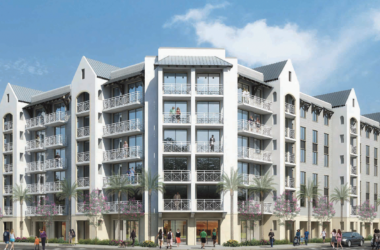
A long-delayed community center at Armbrister Park offers a window into how Miami’s bond-funded projects move from promise to construction — and how difficult the spending can be to track along the way.
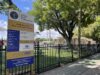
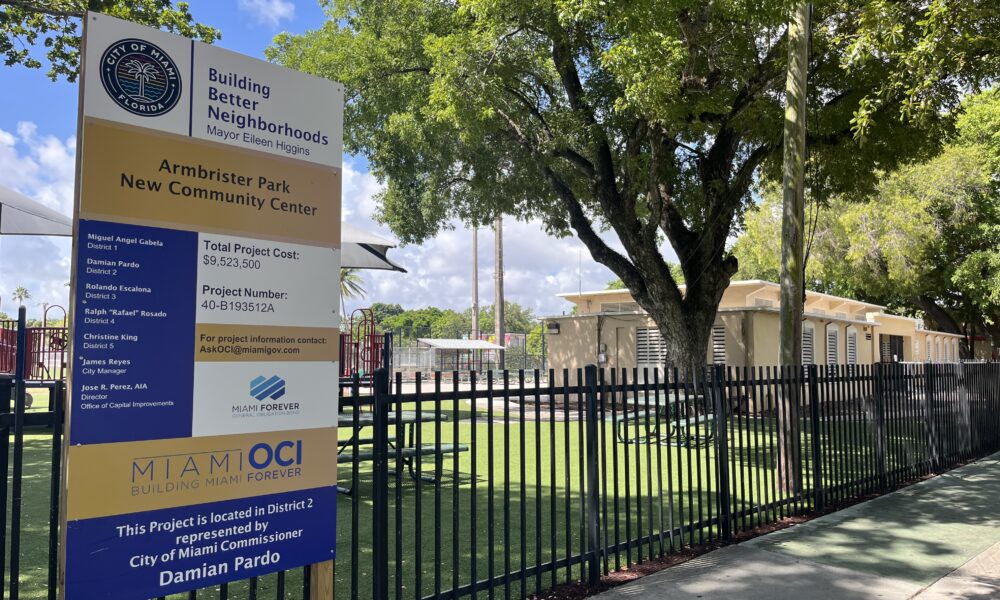
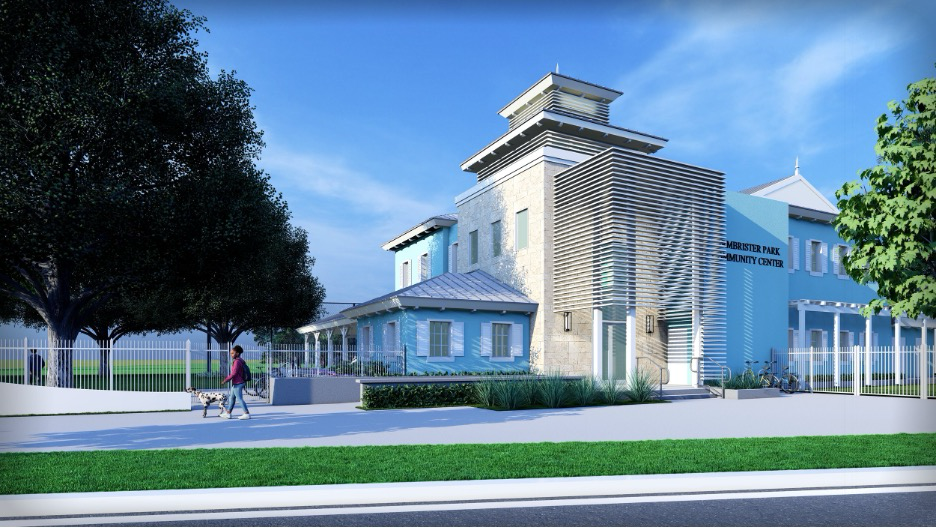
By the end of next year, if all goes as planned, West Grove residents will have a gleaming new, 10,000-square-foot community center at Armbrister Park — with classrooms, recreational and community space, an art room, kitchen and outdoor pavilion.
It will have been a long time coming.
The new center was proposed in 2020 by then-District 2 Commissioner Ken Russell. What followed were years of community meetings, design revisions and efforts to secure enough money to build it. Construction funding was finally approved in 2024.
Now, as city commissioners asks voters to authorize another major bond program, Armbrister offers a window into what happens after the borrowing is approved — how long a city building can take to move from proposal to construction, how the money is spent along the way and how difficult some of those costs can be to decipher.
On Nov. 3, voters will decide whether to authorize Mayor Eileen Higgins’ $450 million Safe and Ready Miami bond, which would launch another series of major city construction projects — including a new public safety headquarters, seven new fire stations and repairs and modernization of existing police and fire facilities.
Including principal, interest and issuance costs, city officials have estimated the borrowing would ultimately cost taxpayers about $795 million. They say the program would be subject to independent annual audits and would not increase the current debt millage rate.
Read more: Commission Sends $450 Million Public Safety Bond to November Ballot
The new Armbrister Park community center has roots in Miami’s last major general obligation bond program, the $400 million Miami Forever Bond approved by voters in 2017.
In December 2018, just over a year after the vote, the city allocated $400,000 in bond money to design a replacement for Armbrister’s aging, single-story community center, built in 1954. The planned two-story facility would eventually carry a price tag of about $11 million, to be funded with additional Miami Forever Bond proceeds.
Read more: Funding Approved for Armbrister Park’s New Community Center
City officials have told the Spotlight the current project cost is about $10.2 million — $648,989 for design and $9.52 million for construction.
But those aren’t the only costs associated with the project.
A separate capital-budget account for Armbrister’s design and related costs, reviewed by the Spotlight, contains about $3.2 million in funding approved to date. Nearly $850,000 is allocated to three categories for city staff to manage and administer the project: $332,050 for general administration, $260,679 for program management and $254,862 for construction management.
Together, those charges total $847,591.
Some of the money dates to prior years, before construction began. Other amounts are budgeted for the current and coming fiscal years.
The city has not explained whether the nearly $850,000 is included in the $10.2 million project cost it provided to the Spotlight, although adding the management and administrative charges to the city’s design and construction figures brings the total to roughly $11 million — close to the project’s previously stated price tag.
City officials have described generally what the three categories pay for, but have not provided a detailed accounting of how the charges were calculated or who is being paid.
General administration, for example, pays executives and administrative employees in the city’s Office of Capital Improvements. The city says the work includes budgeting, invoice review, procurement, contract administration, coordination with other departments and regulatory agencies, preparation of legislation and project closeout.
Program management, performed by a separate unit within the same office, includes preparing cost estimates, tracking schedules and funding needs, managing grants, preparing capital project reports and overseeing the city’s e-Build project-management system.
Construction management covers such work as site visits, construction meetings, progress reports, reviewing contractor payment requests and change orders, and monitoring costs and schedules. The city says that work can be performed by city employees or outside consultants, but has not said who is performing it, if anyone, at Armbrister.
Nor has the city explained how the amounts charged to Armbrister were calculated, whether they represent actual costs or budgeted allocations, which employees or outside contractors are being paid from them, or why some of the duties listed under general administration and program management appear to overlap.
The questions are particularly relevant because construction of the new community center has yet to begin, even as management and administrative costs have been allocated to the project over multiple years.
The Miami Forever Bond was approved to pay for physical improvements across the city — from roads and parks to public-safety facilities and flood-control projects. Nearly nine years later, 96% of the $400 million bond program has been allocated, according to the city’s Miami Forever Bond dashboard.
City officials also promised “strict project and financial monitoring and reporting processes” and created a citizens’ oversight board to provide transparency and accountability over how the bond money was spent.
Getting detailed answers about Armbrister, however, has proved difficult.
For more than four months, the Spotlight has sought a detailed accounting of the project’s costs, including how the management and administrative charges were calculated and who is being paid. Despite repeated assurances from City of Miami Communications Director Helena Poleo and other department staff that answers were forthcoming, none have been provided.
The unanswered questions are not the only issue surrounding Armbrister.
Although the replacement community center was proposed in 2020 and presented to residents in 2021, construction funding was not approved until November 2024. At the time, city officials projected nine to 12 months of construction.
By this March, residents were told demolition would begin in April, followed by construction in May. A contractor’s schedule called for demolition to start April 14 and construction May 27, with completion projected for July 2027.
Neither start date held.
By July, the city had pushed demolition to the end of September, saying Miami-Dade Water and Sewer first needed to establish water service for temporary trailers for Parks and Recreation employees. A construction start date was pushed to early November.
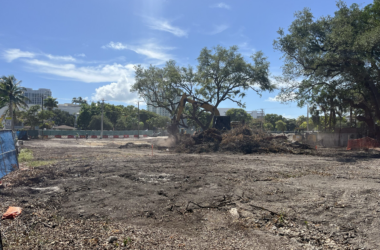
September has now come and gone. The old community center is still standing.