

A last-minute substitution memo revealed previously undisclosed spending tied to LoanDepot Park, along with dozens of new city positions and expanded budget powers for City Manager James Reyes — all approved without discussion by the City Commission.
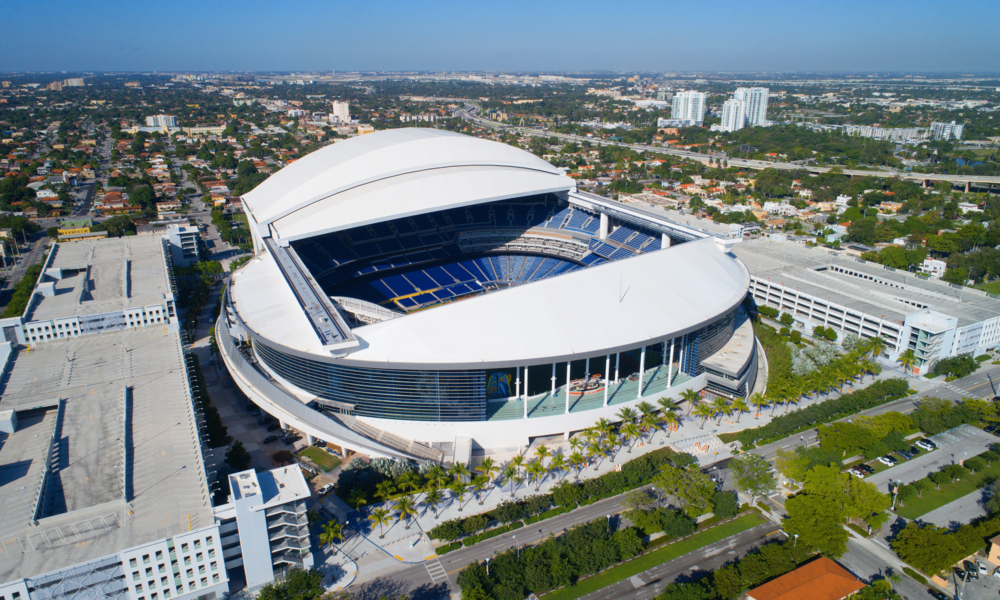
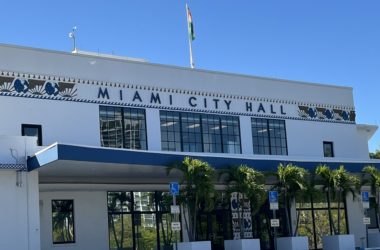
A $47 million midyear spending increase approved last week by the Miami City Commission will include $1 million for construction work at LoanDepot Park — home of Major League Baseball’s Miami Marlins — a stadium project that continues to carry substantial long-term public debt obligations for the city and county.
The previously undisclosed appropriation, part of a broader midyear budget amendment, appears in a May 1 “substitution memorandum” circulated prior to the commission vote.
The memo provides little explanation about the project, its purpose, or the location of the work, other than a description of it as “part of the Building Department’s Expansion.”
City officials did not respond to repeated requests for details about the stadium construction project. A spokesperson for the Miami Marlins told the Spotlight the appropriation is connected to an on-site parking lot.
LoanDepot Park — formerly Marlins Park — remains one of the most controversial public financing deals in Miami history. Built in 2012 with more than $500 million in public funding from Miami-Dade County and the City of Miami, the stadium is expected by some estimates to cost taxpayers roughly $2.4 billion over the life of the bonds used to finance it.
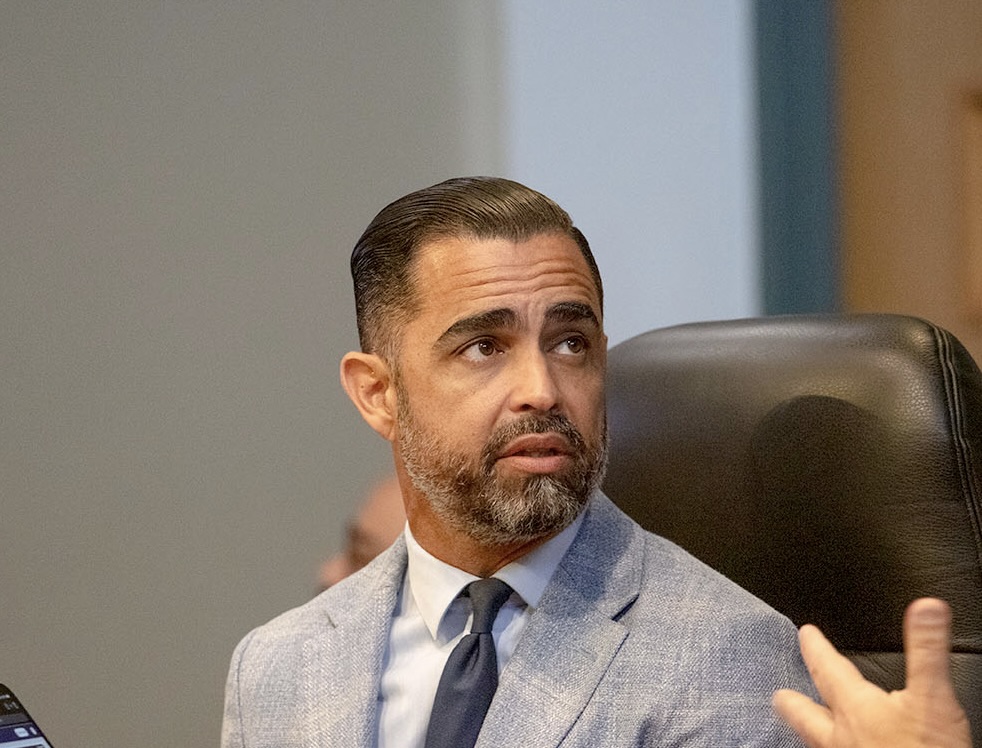
The $1 million stadium-related appropriation was tucked inside a broader budget amendment increasing current-year city spending by roughly $47 million, or about 2.5%, while simultaneously expanding staffing and granting broad new authority to City Manager James Reyes over the city’s finances and workforce.
The measure passed without discussion during Thursday’s commission meeting.
Overall, the amendment increases the city’s General Fund budget by about $22.3 million and Special Revenue spending by another $24.9 million, pushing Miami’s overall non-capital budget to roughly $1.88 billion.
The legislation also authorizes more than $23 million in additional capital appropriations for projects ranging from stormwater improvements and seawall work to fire apparatus purchases and the city’s ongoing Oracle Cloud migration project.
While the broad outlines of the proposal had been publicly posted ahead of the vote, the May 1 substitution memorandum supplied additional details not previously included in the agenda support documents — including a net increase of 58 full-time positions citywide.
Those additions include 24 new police officers and 18 new firefighters, both funded through federal grant programs, and 15 positions for the newly created Office of the Independent Inspector General, which the memo says had previously been budgeted “without staff.”
The substitution memo did not disclose the anticipated salary costs or long-term financial impact of the new Inspector General positions.
The legislation also significantly broadens Reyes’ authority over city finances.
Under the amendment, the city manager is authorized to “adjust, amend, allocate, and appropriate” portions of the budget; shift funds between accounts; transfer reserve funds; reorganize departments; alter staffing levels; and redirect unrestricted money between city funds — powers traditionally exercised by the commission itself through the annual budget process.
One of the largest financial shifts approved through last week’s amendment involves internal transfers and reserve reallocations. The city’s Non-Departmental Accounts category falls by roughly $56 million while “Transfers-Out” rises to more than $76 million, with money redirected into capital spending and other accounts.
Among the expenditures itemized in the substitution memo:
- $7 million for stormwater-related capital projects;
- $5.3 million for Fire-Rescue apparatus purchases;
- $3.1 million for Oracle Cloud migration costs; and
- $941,000 for the city’s OPAL annual software subscription.
Several projects benefiting from the amendment are located in Miami Commission District 2, including seawall work in Brickell and Coconut Grove and drainage improvements in Morningside.
City spending continues to climb rapidly. Miami’s operating budget has roughly doubled over the past five years, driven largely by rising salaries, pensions and employee benefits.
The city is simultaneously considering a proposed $450 million public-safety bond while expanding police and fire staffing through separate initiatives.