

A citizen’s lawsuit filed this week could force Miami-Dade County to seek voter approval for the proposed redevelopment of the Seaquarium property on Virginia Key.
The proposed redevelopment of the historic Seaquarium property on Virginia Key is now in the hands of a judge.
Two Miami-Dade County residents – Coconut Grove attorney Gregory Frankel and Aaron Stauber – filed a citizen’s lawsuit in circuit court this week to block the public-private project from moving forward without voter approval.
The County Commission voted Tuesday to advance the redevelopment effort in partnership with Coconut Grove developer David Martin and Resilient Aquarium, an affiliate of Martin’s Terra Group. Frankel and Stauber responded Wednesday with a lawsuit naming the county itself and Resilient Aquarium as defendants.
Read more: A Pending Vote on the County’s Seaquarium Project
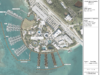
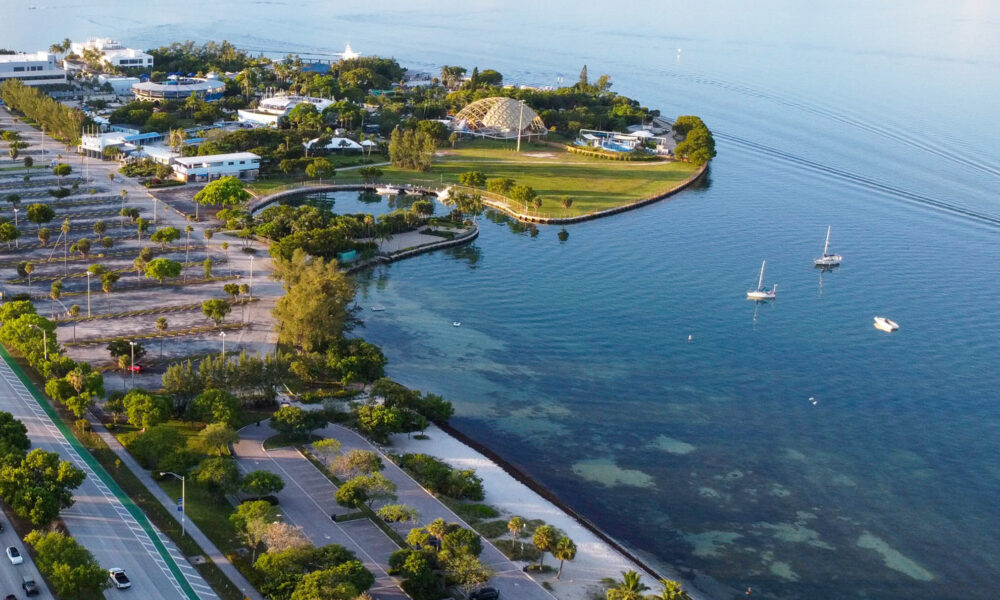
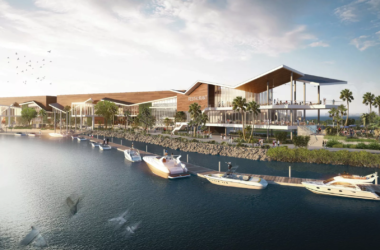
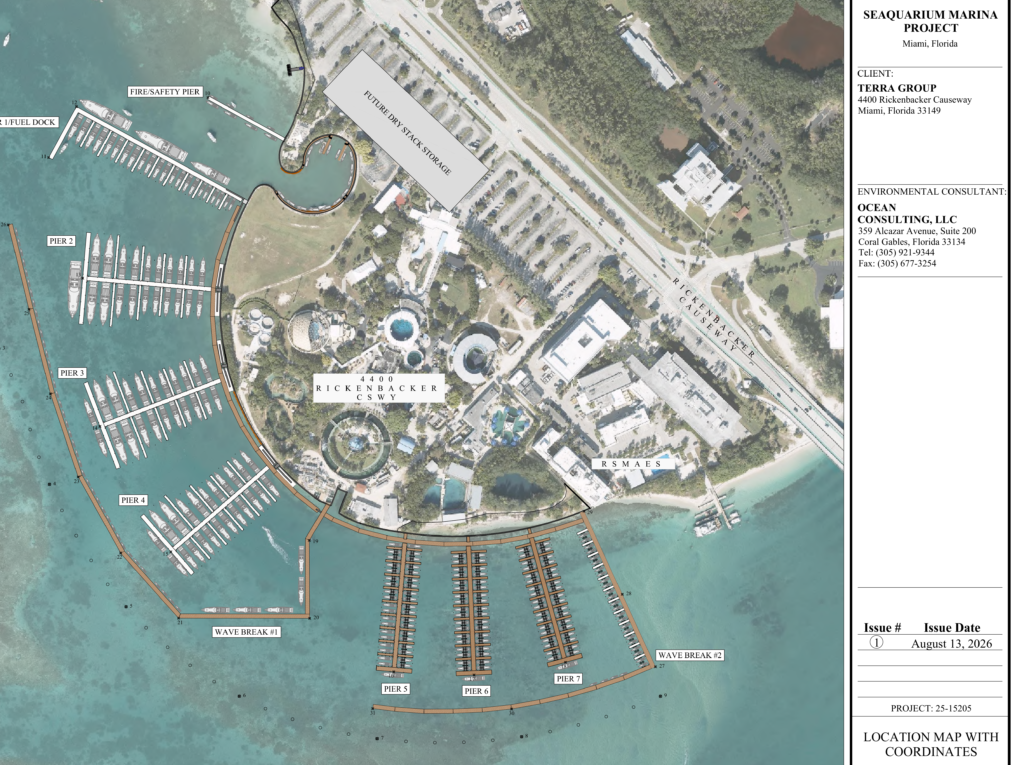
Martin wants to replace the Seaquarium, the troubled attraction that closed in 2025, with an accredited aquarium, a retail village, an education center, a public baywalk, and a new marina with room to accommodate more than 800 boats.
The County, which owns the land, is finalizing a 99-year lease agreement with Martin to make that happen. The terms of the proposed lease call for Martin to invest a minimum of $100 million in the project.
Final approval could come as soon as next month, unless a judge intervenes.
Frankel and Stauber contend the county has sidelined voters in its rush to complete the deal, and they are seeking an injunction to stop the county from acting.
Voter approval of the project is required by Article 7 of the County Charter, they say, because of the size and the scope of the proposed project.
Not so, Terra and Resilient Aquarium said in a response this week.
“Our Seaquarium revitalization plan will deliver a publicly accessible, environmentally conscious destination where residents and visitors can enjoy the waterfront and learn more about South Florida’s marine habitat,” the company said in a statement.
“The plan was very carefully designed to be consistent with the property’s allowable use, and with Article 7 of the County Charter, which specifically exempts both the Seaquarium and marinas from any referendum requirements.”
On Wednesday night, Martin and his team spent an hour describing the project during a virtual briefing hosted by Miami-Dade Commissioner Raquel Regalado, a proponent of the plan. Neither Martin nor Regalado mentioned the lawsuit.
The charter language cited by Frankel and Stauber does exempt the Seaquarium from the public-vote requirement, but the two men say the exemption doesn’t apply to the proposed project, because it’s not the Seaquarium.
The proposed marina would be built on submerged county land that was never part of the Seaquarium, they say; the proposed 99-year lease far exceeds the term of the Seaquarium’s current lease; and the project includes elements – the marina and wellness facilities, for instance – that represent new uses of the county’s land.
Frankel and Stauber warned the county on Sept. 30 that they would file suit unless the county voluntarily agreed to schedule a countywide vote on the project.
Read more: Lawsuit Threatened Over Seaquarium Redevelopment
The county never responded, Frankel said. The Spotlight asked the county to explain its position as well but did not receive a reply.
“We asked a simple question three weeks ago, and the county has not answered it,” Frankel said in a written statement. “The Charter says this decision belongs to the voters. We are asking a court to say so, because the County will not.”
Both men say they aren’t opposed to Martin’s project but insist that the decision to move forward belongs to voters, not to county commissioners.
To bolster their legal argument, the two men point to a project proposed at Zoo Miami in 2006. Like the Seaquarium, the charter includes an exemption for Zoo Miami, but the county nevertheless asked voters to approve the project that year.
The proposed Seaquarium project has sparked concerns among local environmental leaders as well. Rachel Silverstein, CEO of Miami Waterkeeper, urged the County Commission to slow down before Tuesday’s vote.
“This is an iconic piece of property that is extremely important to so many Miamians,” she told commissioners. “We do have environmental concerns that we have been speaking about – impacts to seagrass, potentially corals, water quality issues – and we are concerned that it is coming before the board today without all the information being available to the public.”
Regalado said Wednesday’s briefing was the first of several that will be held to share details about the project with the public. “There is a lot of information, so we wanted to start with this informational meeting to kind of put it all out there so that everyone has access to the same information,” she said.
The briefing has been posted on YouTube, and can be seen at https://www.youtube.com/watch?v=AOG5lROT53w