To the Editor:
The Future We Build: A Play in One Act about the Magic City’s imminent destiny… or not.
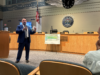
Scene: Greenstreet Café. Tuesday morning. A man in tennis clothes is having breakfast with someone in business attire. They are discussing the previous evening’s screening of “The Future We Build” with a panel discussion at the Cosford Theater at the University of Miami.
Players: Beeg, a developer of high-rise condos for the wealthy, and Thizway, his zoning lawyer.
Beeg: I wish you played tennis. I’d enjoy beating you. I also wish you’d been at that film “The Future We Build” last night. I found it surprisingly interesting.
Thizway: I’d rather play you at cribbage, where I could persuade you that you’re winning like I do the commissioners. Why was it so interesting?
Beeg: Because the film showed a lot of Miami could be underwater from either storm surge or sea level rise in 50 years, with “rain bombs” happening now. The eight panelists — all experts in various fields, by the way — said it didn’t have to be that way.
Thizway: Uh-oh. I hope you’re not going soft on me.
Beeg: Don’t worry. I’m not. But they were saying that the solution we can start with now is public / private partnerships – doing infill development just like we do already, except maybe not all high-rises. Although one of the panelists did say, “All we are asking for is height.” It got me thinking. Why not? If there’s money to be made. Besides, my wife and kids like it here. They don’t want to have to move.
Thizway: Get serious, will you. Miami-Dade County is mostly zoned for single family homes and duplexes. Homeowners like it that way for a reason. It’s theirs and they’re distrustful of change! Do you really want to get in the homebuilding business and start building white boxes? You think the whiners hate you now? Just wait.
Beeg: No, no. Certainly not. But there was a county commissioner on the panel who said a multi-billion dollar — with a capital “B” – general obligation bond (GOB) was going to be on the ballot soon, mainly to do big infrastructure stuff like sewers and water conservation and aquifer protection. New fire stations, too. If it passes, that’s a lot of dough!
Thizway: That’s exactly why it won’t pass. Taxpayers today are shouting they want to pay less in taxes and insurance, not more, and don’t trust politicians to spend the money the way they promise. Besides, every commissioner from every district and municipality fights the others for their own slice of the pie and never seriously considers whether there’ll even be a pie to slice once they are out of office. It’s the old “kick the can down the road” game.
Beeg:Yes, but these eight panelists — and together they were all very convincing — said we really are facing a disaster if we don’t start now. It’s not just the “Affordable Housing Crisis,” although that’s what the politicians are focused on now. They said we have to think much bigger if Miami is to survive long-term.
Thizway: I’m more worried about the short-term, and how we canmake money.
Beeg: I am, too, but at least one of the panelists suggested necessary zoning changes — your specialty. Maybe there can be more low-rise infill — lots more – like those small apartment buildings in the Grove scattered among the single-family homes. They could be privately built and owned, you see? Still others were saying if the taxpayers were ever going to be persuaded to vote yes for the bond, it would require buy-in from all Miami’s diverse neighborhoods, rich and poor, even the tree-huggers. What if Miami really could re-invent itself as world-class instead of just two classes: the rich and everybody else?
Thizway: If it wasn’t so early, I’d say you’ve been drinking.
Beeg: I know, I know. But watch the film: https://www.thefuturewebuildfilm.com/. Then we can talk again. This could happen… maybe.
Andy Parrish
Coconut Grove