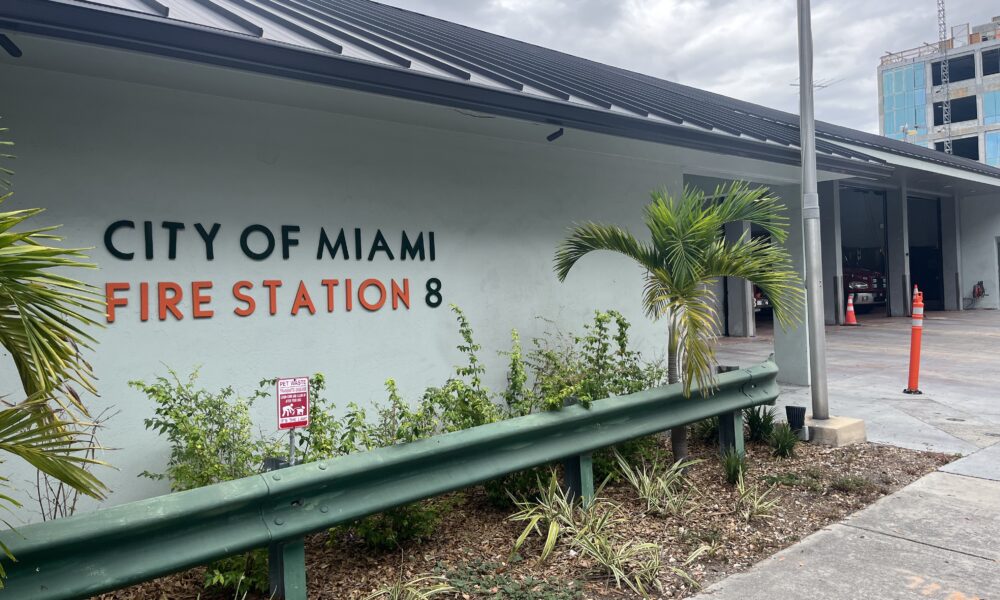




As Miami’s pension obligations continue to swell, a city proposal would expand firefighter retirement benefits and extend participation in the lucrative DROP program, ending pension reforms imposed during the city’s fiscal crisis — but without publicly disclosing how much the changes may ultimately cost taxpayers.
A City of Miami proposal to expand firefighter pension benefits and lengthen participation in a lucrative retirement program is moving toward a commission vote with little public discussion — and without any disclosed estimate of the long-term financial consequences.
The ordinance, scheduled for consideration Thursday, would partially roll back pension reforms adopted during Miami’s fiscal crisis more than a decade ago and allow some firefighters to remain in the city’s Deferred Retirement Option Program, or DROP, for up to seven years instead of four-and-a-half.
The measure implements provisions negotiated as part of the firefighters union’s latest collective bargaining agreement, ratified in 2024. But despite potentially significant long-term financial implications, the agenda item includes no actuarial report, cost projection, or estimate of additional pension liabilities.
Under the proposal, firefighters who had completed at least 10 years of service — the threshold for vested retirement benefits under the city’s agreement with the firefighters union — before Sept. 26, 2015 would regain access to the more generous pension benefits available prior to sweeping reforms enacted in 2010, when city officials warned escalating retirement costs threatened Miami’s fiscal stability.
Those reforms imposed limits on retirement payouts for newer employees, including a cap of $120,000 or 100% of final average compensation.

The ordinance under consideration Thursday would also expand DROP participation from 54 months to 84 months.
DROP programs allow employees eligible for retirement to continue working full time while simultaneously collecting pension payments in a separate account, often resulting in large lump-sum payouts when participation ends.
Critics nationwide argue such programs can substantially increase long-term pension costs, particularly when paired with rising overtime and late-career salary growth.
The proposal comes as personnel costs consume an increasing share of Miami’s budget.
Read More: Inside City Hall: Miami’s Pay Raise Machine
In the city’s current General Fund budget, salaries and employee benefits together account for roughly $947.7 million — more than three-quarters of all operating expenditures. Employee benefits alone total about $356.2 million, or 29.1% of the budget, while salaries and wages account for another $591.5 million, or 48.3%.
Within Fire-Rescue alone, compensation spending dominates departmental finances.
Of the department’s roughly $327 million budget this fiscal year, nearly $249 million is tied to salaries, overtime, pensions, healthcare and other employee compensation. Regular salaries and wages account for about $108 million, while the department budgeted another approximately $41.7 million for overtime and special pay.
Retirement-related expenses are also substantial. The city budgeted roughly $54.4 million this year for Fire-Rescue retirement contributions, another $6.7 million in secondary pension contributions and approximately $30.3 million for the firefighters union’s health insurance trust fund.
Together, retirement and benefit-related costs within Fire-Rescue now exceed $96 million annually.
Miami’s long-term balance sheet further underscores the scale of those obligations.
According to Miami’s audited financial statements for the fiscal year ending Sept. 30, 2025, the city carried approximately $1.44 billion in net pension liabilities and another roughly $1.09 billion in other post-employment benefit liabilities — primarily retiree healthcare obligations.
Combined, those obligations exceeded $2.5 billion citywide.
The proposal also arrives against the backdrop of a years-long labor dispute tied to the city’s 2010 fiscal crisis, when Miami invoked Florida’s “financial urgency” law to unilaterally reduce wages, insurance and pension benefits for police officers and firefighters.
Firefighters later challenged those actions before the Florida Public Employees Relations Commission, arguing the city improperly invoked financial urgency after previously agreeing to extend its collective bargaining agreement.
The dispute ultimately resulted in a 2018 settlement with the firefighters union valued at $20.5 million, including backpay and increases to future pay and pension benefits, according to city records.
The current pension proposal offers few details about how much additional liability taxpayers may ultimately absorb.
The legislation repeatedly references the city’s collective bargaining agreement with firefighters, approved by commissioners in June 2024, but does not disclose how many firefighters would qualify or how much pension payouts could increase. Nor does it estimate how the changes may affect the city’s long-term retirement obligations.