

After Miami agreed to keep City Hall at the historic Pan Am terminal in Coconut Grove, the Museum of Miami is urging the city to lock in a long-term plan that preserves the property, expands public access and shields the site from private development.
After months of uncertainty over its future, the Miami City Commission voted this month to keep City Hall at the historic Pan Am terminal in Dinner Key.
The vote keeps the iconic terminal in the public’s hands for now, but it doesn’t represent a viable long-term plan for the historic site, preservationists say.
While the resolution is binding, it could be reversed by a future commission, raising questions about what might happen to the waterfront property if the city chooses to move City Hall to a new administrative building under construction in Freedom Park.
The Museum of Miami is offering a solution: A long-term plan for the site that the museum says would preserve the city’s ownership, expand the site’s uses and shield the public waterfront from future privatization.
A day after the commission’s vote, the museum sent the city a letter of intent proposing a long-term public-private partnership at Dinner Key.
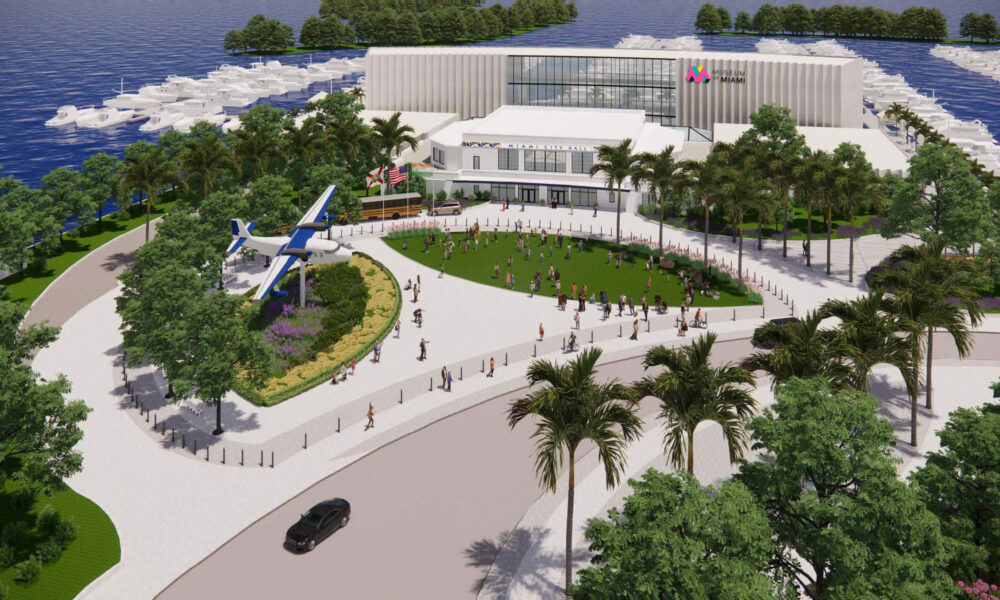
The proposed partnership imagines the terminal as a civic commons, with a new museum building, an archive featuring the museum’s collection of artifacts and public spaces designed for year‑round civic and cultural use.
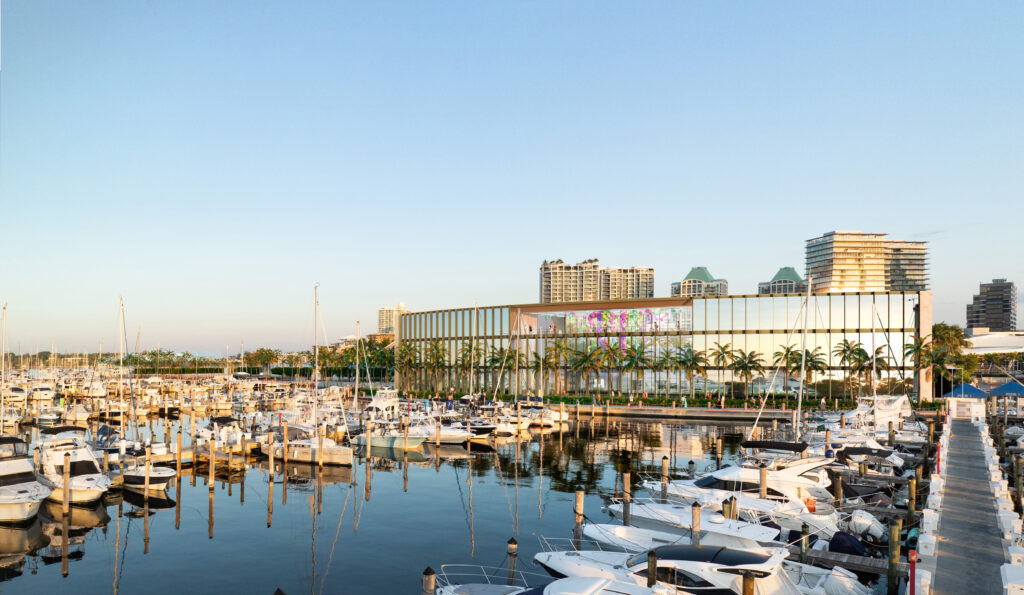
Natalia Crujeiras, CEO and executive director of the Museum of Miami, said the commission’s vote signaled its commitment to preserving the historic terminal. But she remains concerned about what could happen to the site if a future commission decides to move City Hall to the city’s new administrative building.
“I think our commission showed smart leadership by voting to remain there, but I don’t think this is a long-term solution,” she said. “We don’t know the pressures that we’re going to have tomorrow. We don’t know who the commissioners are going to be tomorrow.”
Without a long-term preservation plan, Crujeiras said, the site remains vulnerable to future development and privatization. As a tenant of the city, she said, the museum would make a long-term commitment to preserving the city’s ownership while expanding the public’s access to the waterfront.
Museum of Miami imagines the campus as a place where Miamians could attend a commission meeting, visit a museum, organize a community event or simply take a walk around the bay — inviting the public to enjoy a site that has long served primarily as a government building.
Crujeiras said preserving public access is especially important given the terminal’s waterfront location. “We have very few spaces in Miami on the water that are still accessible to our community,” she said.
The museum’s proposal comes as questions about the future of Miami’s public waterfront are playing out elsewhere in the city.
Neighboring Regatta Harbour, once a casual waterfront gathering place, has been transformed into a high-end retail and dining complex. And at Grove Harbour Marina, another city-owned waterfront, the marina operator sued the city over rent increases they say are putting increasing financial pressure on the waterfront.
In November, voters will decide whether to approve an $80-million marina redevelopment project on Virginia Key. Referendum 3 would allow the city to lease nearly 28 acres of public waterfront property to private developers for an initial 45-year term, with options extending the lease to as long as 75 years.
At the Pan Am terminal, Crujeiras said the museum wants to offer the city a sustainable option for the waterfront before potential development and financial pressures force officials to choose between a “good price and a good outcome.”
“We’re raising our hand because we don’t want this to fall to overdevelopment — residential or commercial towers or a large entertainment venue,” she said.
Crujeiras said that city staff acknowledged that the letter of intent had been received and would be referred to the City Manager. As of this week, the museum has not received any further response.
The museum’s letter invites the city to move forward using one of two formal pathways: The museum could submit a formal unsolicited proposal for its project, or the city could start a city‑led process for the site’s civic reuse.
If the museum were to proceed with an unsolicited proposal, it would first have to submit its plans with a $25,000 application fee. The city manager would then notify the commissioner of the district where the proposal is located, who would decide if they wanted to consider the proposal further.
The Spotlight asked District 2 Commissioner Damian Pardo, who sponsored the resolution to keep City Hall in the historic building, if he supported the museum’s plan. He did not respond ahead of publication.
The letter also requests that the city determine if the museum’s proposal meets the state’s legal requirements for a “qualifying project” of a public-private partnership and that it authorizes a negotiation of an interim agreement.
That agreement would allow the museum to begin any pre-development work, at its own expense, that would allow the city to make an informed decision on the museum’s proposal.
Last week, a city spokesperson told WLRN that the city has not reviewed plans from Pan Am or Museum of Miami and that the city “is not entertaining any proposals for a different use of the Dinner Key facilities at this time.”
A city spokesperson told the Spotlight Thursday that there is no update on that statement.
Sinclair Holian is a Spotlight reporter and Report for America corps member covering gentrification and development in Coconut Grove. She joins us through our partnership with Report for America, a national organization that places journalists in local newsrooms across the United States.














A big glass modernist boxitecture building behind the historic Pan Am seaplane terminal?
No, thank you.
In its current form, the Museum of Miami’s “feel‑good museum dream” collides with both federal preservation standards and local law. These issues are not incidental — they deserve serious attention, not least from the Museum itself.
The National Historic Preservation Act of 1966 gives the U.S. Secretary of the Interior authority to establish standards for new construction affecting historic sites. These standards are widely recognized by preservation professionals and apply to Dinner Key, which is listed in the National Register of Historic Places.
Key requirements include:
• New additions must be subordinate to the historic building. The Museum of Miami’s proposal is not.
• Additions must not obscure or destroy historic features. Their design would eliminate the observation deck’s views and block the waterfront.
• The historic building must remain the visual focal point. The rendering visually overwhelms it.
• The setting and spatial relationships must be preserved. The proposed wings and rear massing destroy the historic context.
No preservation board, SHPO, or National Park Service reviewer would consider the Museum’s proposal acceptable treatment of a National Register property.
It is also important to remember that Miami cannot simply assign public waterfront land to a private entity. Any change in use or disposition of Dinner Key triggers City Charter requirements for competitive bidding or voter approval.
None of these factors can be brushed aside, yet the Museum’s project fails to acknowledge them. That omission alone raises serious concerns about the proposal’s credibility.
Elvis Cruz, I second the motion.