
The Museum of Miami is the latest group to express interest in the historic waterfront landmark at Dinner Key, but a resolution to be heard Thursday could keep elected officials and commission meetings there even after a new city administration building opens late next year.
Miami’s long-planned move of City Hall from Dinner Key to Miami Freedom Park faces a new challenge this week, as one commissioner seeks to keep elected officials and commission meetings in Coconut Grove.
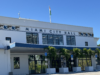
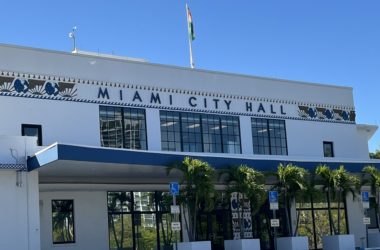
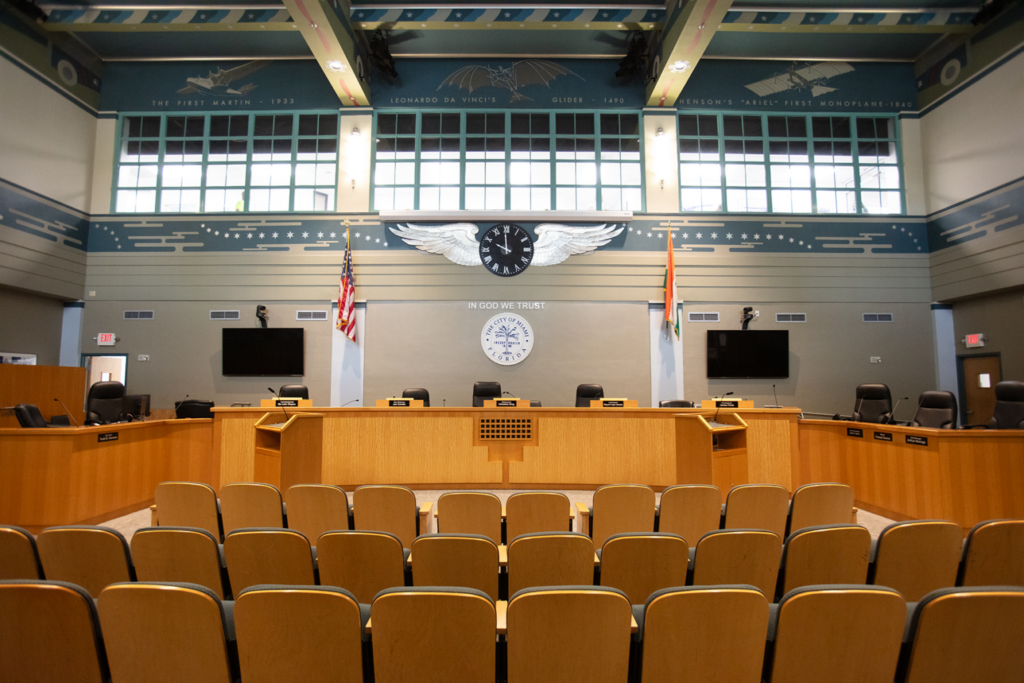
District 2 Commissioner Damian Pardo, who represents Coconut Grove, is sponsoring a resolution on the Sept. 10 City Commission agenda that would direct City Manager James Reyes to keep the historic Pan Am terminal at 3500 Pan American Drive functioning as City Hall and the principal location for regular commission meetings.
The measure would not halt construction of the new eight-story administration building rising beside Major League Soccer’s Inter Miami stadium complex at the former Melreese golf course in Allapattah. But it could prevent the planned exodus of elected officials, the city clerk and core City Hall functions from Dinner Key.
The five-member commission retains final say over whether elected offices and commission meetings actually vacate the historic waterfront building.

Read more: Opinion: Is the Sun Setting on City Hall?
At the same time, executives at the Museum of Miami — formerly HistoryMiami Museum — have begun exploring the possibility of playing a role in the future of the Dinner Key site if the building ceases to serve as the city’s main civic hub.
The developments are adding new urgency to a debate that has drawn preservation advocates, neighborhood activists and city leaders, including Mayor Eileen Higgins, who has championed the move to Miami Freedom Park.
A spokesperson for Pardo said the commissioner does not plan to discuss the resolution until a Tuesday Zoom call with District 2 residents to review the agenda.
Higgins and three other commissioners — Rolando Escalona, Christine King and Miguel Gabela — did not respond to requests for comment.
In a written statement to the Spotlight, District 4 Commissioner Ralph Rosado did not say whether he supports Pardo’s resolution, but said the historic City Hall building should be maintained and preserved for future generations.
The Museum of Miami has spent more than 80 years collecting and interpreting Greater Miami’s history. Founded in 1940 as the Historical Association of Southern Florida, the institution is based at 101 West Flagler Street in the Miami-Dade Cultural Center. Its leaders have recently emphasized a “museum without walls” model that takes programming into neighborhoods while keeping its downtown location as the principal hub.
Natalia Crujeiras, the museum’s CEO and executive director, said the institution is watching the City Hall debate closely.
“The Museum of Miami cares deeply about ensuring the Pan Am Terminal at Dinner Key remains a public asset for our community,” Crujeiras said in a statement to the Spotlight. “It is a historic gem situated in one of Miami’s most beautiful locations.”
With Higgins and city administrators pushing for a move to Miami Freedom Park, the Museum of Miami is exploring ways it could help city officials repurpose the building, Crujeiras said.
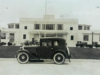
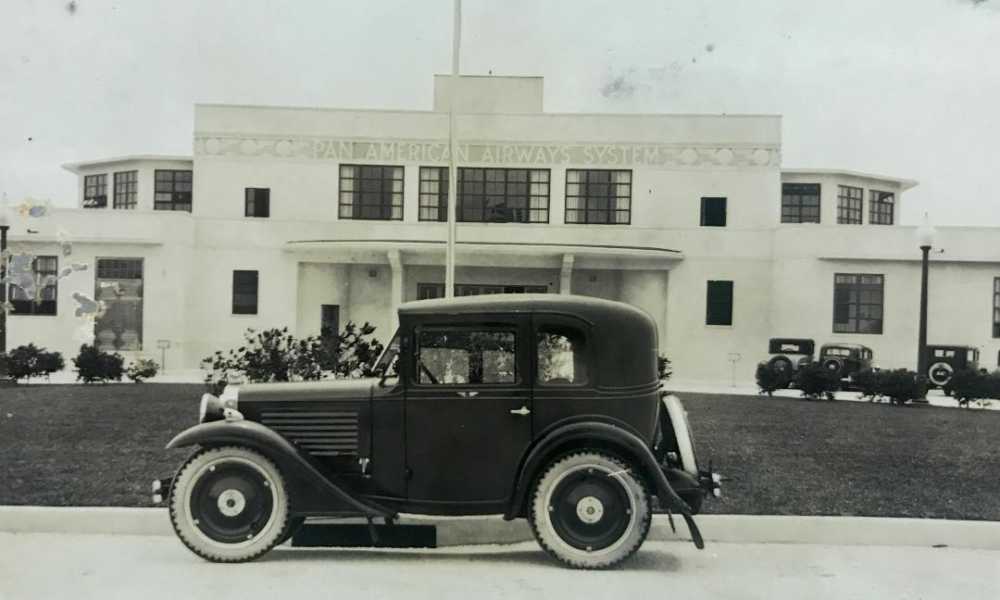
The museum’s interest is only one thread in a widening debate over the future of the Streamline Moderne terminal designed by prominent New York architects William Delano and Chester Aldrich.
Dedicated on March 25, 1934, the Pan Am terminal served as a hub for flights to the Caribbean and South America. During World War II, Dinner Key trained naval aviators and hosted President Franklin D. Roosevelt, who boarded the Dixie Clipper there in 1943 en route to meet Winston Churchill in Casablanca. The city acquired the former terminal in 1949 and converted it into City Hall in the early 1950s.
In recent months, activists and preservationists have launched efforts to preserve the City Hall site and other public waterfront areas in Coconut Grove through the nonprofit Miami Heritage Park.
Read more: Life After City Hall: Imagining Dinner Key’s Next Chapter
Meanwhile, former Miami Mayor and county Commissioner Xavier Suarez has launched a WhatsApp group called “Save City Hall” with about 200 members whose main objective is stopping the move.
“At worst, city commission and board meetings should continue to take place there,” Suarez told the Spotlight. “But selling it to the private sector for development is the worst idea of all.”
Suarez called the relocation plan “a harebrained idea” and argued the waterfront site reflects Miami’s identity as a tropical paradise.
“We don’t need a new one,” Suarez said. “It is a central location and it reflects what Miami is: A tropical paradise. That is the people’s house.”
Suarez also argued the move could alienate neighborhood residents who regularly attend meetings at Dinner Key.
“You are giving the impression that you want to get rid of all the activists that live close to City Hall,” he said.
Museum of Miami representatives recently presented their ideas to members of Miami Heritage Park, including a potential larger project with some commercial component. Participants were told the museum would need other partners to make such a project viable.
The group also heard from Ron Nelson, former chief of staff to former District 2 Commissioner Marc Sarnoff, who pitched turning City Hall into the headquarters for Biscayne Bay National Park.
The new administration building is rising on city-owned land at 1822 NW 37th Ave., adjacent to the new stadium at Miami Freedom Park. The city says the building is expected to be ready for occupancy in late 2027. It will include commission chambers and offices for the mayor and five commissioners.
Local historian Iris Guzman Kolaya called a potential partnership between the city and Museum of Miami a “win-win situation.”
“It is a historic location, so it makes sense to keep it open to the public,” Kolaya said. “You are able to preserve it and keep municipal functions happening there. I think it is a great potential solution.”
Kolaya, a Museum of Miami board member who was not speaking on behalf of the institution, said a combination of municipal use and public programming could help preserve the building while providing greater access to its history.
“I think it is a creative, innovative solution that could give the public greater access to our past,” she said.
She also noted that City Hall itself was initially intended as a temporary use after the city acquired the former terminal in 1949.
“They have never been able to come up with a better site,” Kolaya said. “I get why some city commissioners would not want to vacate such a key location.”