
An urban planner who lives in Coconut Grove asks: How can the City of Miami better coordinate its regulations to protect the Grove’s unique character while allowing smart and sustainable growth?
Noel Cleland is a long-time South Florida environmental activist who chairs the Sierra Club’s Miami Group. He submitted this opinion piece to the Spotlight.
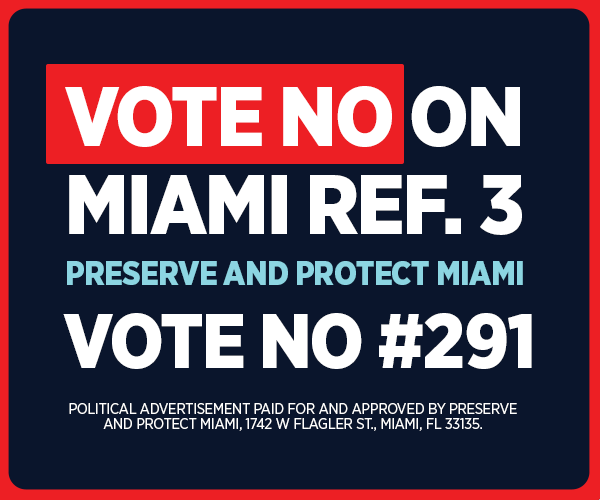
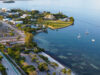
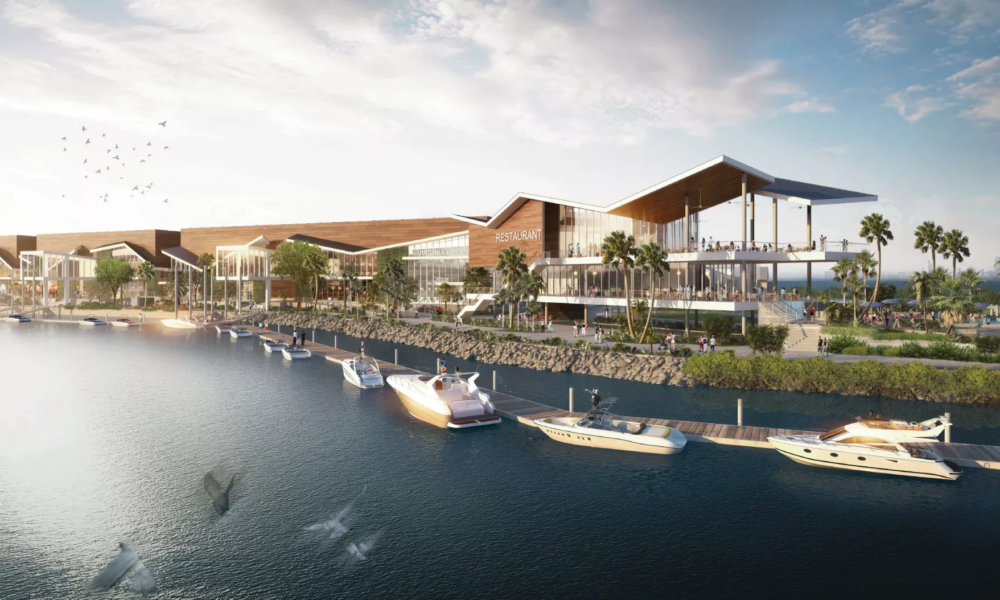
On November 3, City of Miami voters will make a decision that will shape Virginia Key for generations. Referendum 3 asks voters whether the city should lease approximately 27 acres of public waterfront to a private developer.
Supporters call it an opportunity to modernize the Rickenbacker Marina. Is their campaign, “Vote Yes to Save Virginia Key,” really about saving Virginia Key, or about expanding commercial development on one of Miami’s most environmentally significant public waterfronts?
Virginia Key is far more than a marina. It is one of the last places in Miami where Biscayne Bay, native habitat, wildlife, and public recreation come together.
Its waters provide habitat for Florida manatees, bottlenose dolphins, sea turtles, rays, fish, and migratory birds. We should be asking how every project can help restore the Bay, not add to its burdens.
The proposal includes a substantially expanded marina, which means more boats. More boats mean more fuel, more sewage and graywater, more underwater noise, more wake, more propeller scarring of seagrass, and greater risks to manatees and dolphins. These are cumulative impacts on an ecosystem that scientists have warned is already in crisis.
There is another path. We can repair aging marina infrastructure, improve public access, restore shoreline habitat, reduce stormwater runoff, increase tree canopy, strengthen climate resilience, and protect marine life without turning Virginia Key into a larger commercial marina complex.
Vote no on Referendum 3, because once this decision is made, we will all live with it for the next 75 years.
Noel Cleland, Chair
Sierra Club Miami