





Documents obtained by the Spotlight show city officials estimate the proposed borrowing would ultimately cost $795 million, while future staffing costs for new facilities have yet to be calculated.
A proposed $450 million bond package for new police and fire facilities could ultimately cost Miami taxpayers nearly $800 million and commit the city to future operating expenses that have yet to be quantified, according to internal documents obtained by the Spotlight.
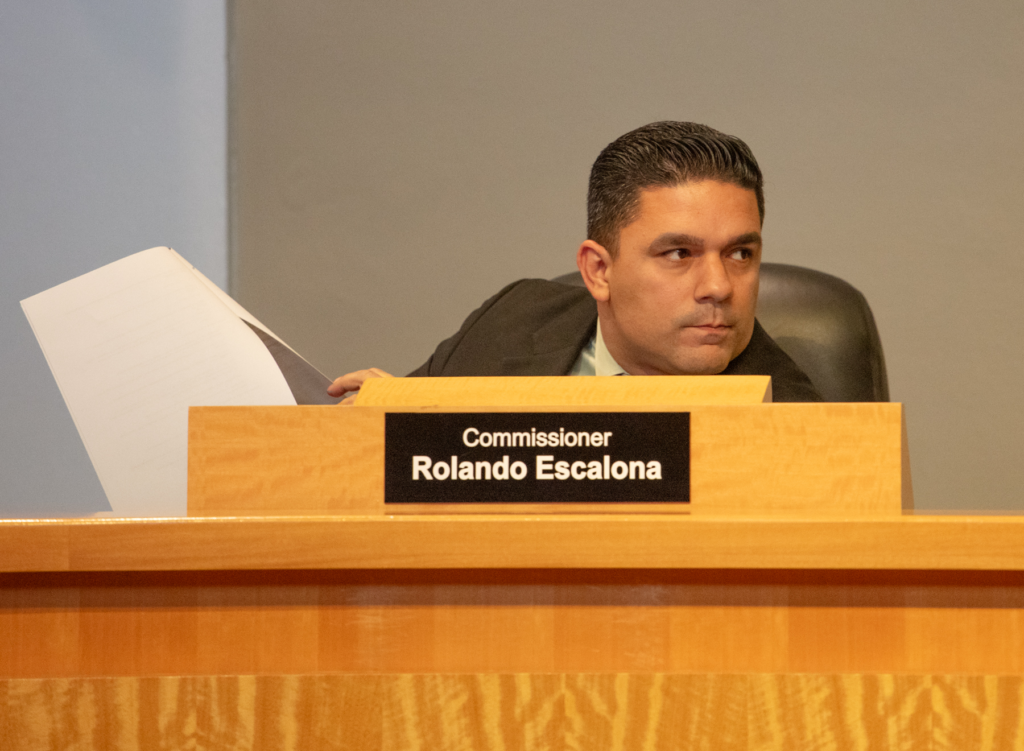
The documents — a list of questions submitted by District 3 Commissioner Rolando Escalona and written responses prepared by City Manager James Reyes — were released to the Spotlight by Escalona as city officials seek support for a public-safety bond that could appear before voters later this year.
The responses reveal that while city leaders have focused publicly on the bond’s $450 million price tag, the total cost to taxpayers over the life of the debt is expected to be substantially higher.
Asked by Escalona for the “true cost of capital” associated with the borrowing, including principal, interest and issuance costs, Reyes responded that the total repayment cost is estimated at roughly $345 million more than the amount initially borrowed — a premium of more than 75% over the bond’s face value.
Reyes also estimated that the average homeowner would pay about $131 annually over the life of the bond, based on the city’s current average property value of $423,020.
The proposal, backed by Mayor Eileen Higgins and the city administration, would finance a new public safety headquarters and major upgrades to the city’s fire-rescue system. Approximately $305 million would be allocated to a new public safety building housing police headquarters, fire administration, the city’s emergency operations center and 911 dispatch operations. Another $145 million would fund new fire stations and renovations at existing facilities.
Read more: Miami Delays Vote on $450-Million Bond Proposal
Supporters argue the investments are necessary after years of deferred maintenance that have left police and fire personnel working in deteriorating facilities.
But the internal responses obtained by the Spotlight suggest that significant questions remain unanswered.
Among the most notable is the cost of operating the new facilities once construction is complete.
Escalona asked whether ongoing expenses — including staffing, maintenance and utilities — had been incorporated into the city’s long-term financial planning.
Reyes acknowledged that additional personnel will be needed to staff new fire stations and that those positions would be funded through the city’s General Fund. However, he said those costs have “not to date” been incorporated into the city’s long-term operating budget forecast.
This means voters could be asked to approve hundreds of millions of dollars in construction spending before the city has fully calculated the long-term costs of operating the facilities the bond would create.
Escalona provided the documents after learning that city officials, including Reyes, had not responded to the Spotlight’s multiple requests for the records, including a public records request.
Read more: Spotlight Exclusive: Escalona Outlines Transparency Agenda for City Hall
The documents also show that some proposed projects remain dependent on future land acquisition and that project scopes could be modified if construction costs rise substantially. Reyes said contingency funding would be built into project budgets and that additional borrowing would require future commission approval.
Regarding oversight and transparency, Reyes said the city would commit to a public dashboard tracking bond expenditures, project timelines and construction status. He also pledged quarterly expenditure and project-status reports and said a bond oversight board could be established by the City Commission or incorporated into an existing oversight structure.
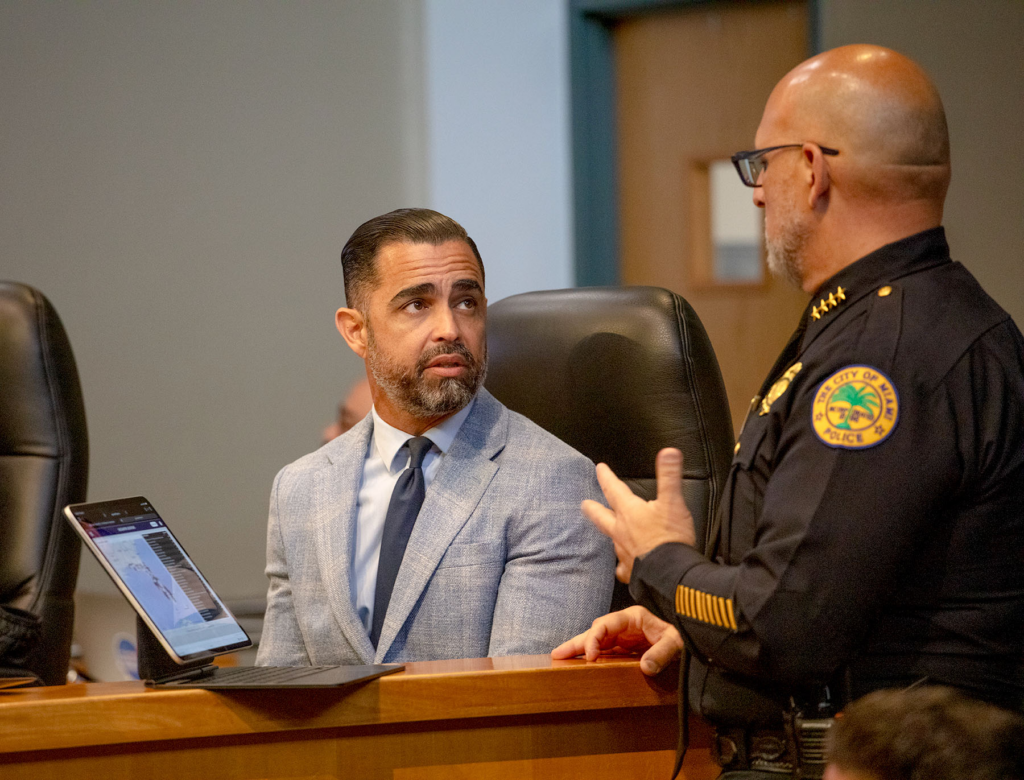
The City Commission deferred the bond proposal on May 14 despite a strong push from Mayor Eileen Higgins, agreeing to revisit the measure on July 9 as commissioners sought more information about its costs and long-term implications.
The proposal also arrives amid uncertainty over a statewide property-tax referendum expected to appear on the November ballot. The measure, backed by Gov. Ron DeSantis, would cost the city about $54 million per year in lost revenues, city officials have told the Spotlight.


















As a CPA, I think this is a valid point. Voters should understand both the $450 million being borrowed and the nearly $800 million total repayment cost over time. However, I wouldn’t fault city leaders for leading with the $450 million figure. When people buy a house or finance a car, the amount discussed is usually the loan amount, not the total of all future payments. The key is full transparency so taxpayers can evaluate both the principal being borrowed and the long-term cost of that debt.
I’m so encouraged by Escalona’s push for transparency. It’s very refreshing. I certainly see the need for investment into public safety. Watching the presentation of the state of our police and fire stations actually made me cry. It’s embarrassing that we let it get to this point. But just throwing money at it doesn’t address the root cause, which is deferred maintenance. We cannot keep up this pace of development AND be giving away public land and continue to give development tax breaks. It’s got to end. We keep doubling down on bad policy. We need to address impact fees, commercial property taxes, and tourism taxes. It seems to me that the outsized public safety needs are in a large part because 28 million visitors, many of whom come here to party, show up in Miami, which requires a lot of police and paramedics.
A quick Google inquiry shows that in Miami-Dade County, emergency medical services (EMS) and fire rescue respond to roughly 1,500 to 2,500 drug overdose-related emergency calls and hospital visits each year. Countywide, this translates to about 4,000 to 4,500 total EMS responses and hospital emergency room evaluations for substance use per year.
The partiers will come regardless. They should foot the bill for us to babysit them.